


Quick answer: Indoor and outdoor cycling both improve fitness, but each serves a different purpose. Indoor cycling offers convenience, controlled conditions, repeatable training data, and uninterrupted pedaling. Outdoor riding develops bike-handling skills, provides varied terrain and mental stimulation, and often encourages longer rides. Most cyclists can benefit from combining structured indoor sessions with outdoor endurance and skills work.
Why Trust Us?
ACTIVE.com's editorial team relies on the knowledge and experience of fitness and wellness experts, including competitive athletes, coaches, physical therapists, nutritionists, and certified trainers. This helps us ensure that the products we feature are of the highest standard. Collectively, the team has spent countless hours researching equipment, gear, and recovery tools to create the most accurate, authentic content for our readers. Customer satisfaction is also a key part of our review process, which is why we only feature highly rated products.

Are you a dedicated indoor specialist, or do you get outside and get dirty on the bike? Credit: Anon. Reddit User
A debate older than disc brakes versus rim brakes and tubeless versus tubed tires, the line between indoor and outdoor cycling can be just as polarizing.
Both indoor and outdoor cycling can improve fitness, build strength, and provide enjoyment. So why do cycling purists and virtual-platform leaderboard warriors continue to debate the benefits of cycling? The answer comes down to what each environment does best.
What Are the Benefits of Indoor Cycling?
The convenience of riding indoors is hard to beat. Whether you're using a spin bike or a data-driven platform such as Zwift, you can kit up and start pedaling in a matter of minutes.
That is often faster than selecting cycling apparel for the weather, putting on a helmet and sunglasses, choosing cycling shoes for the conditions, pumping tires, and checking that every device is charged.
Indoor riding also creates a highly controlled training environment. Power and heart-rate efforts are easier to repeat, which can make the resulting data more consistent from one workout to the next. Temperature and humidity are easier to manage, too, provided you use enough airflow to prevent overheating.
Staying cool and hydrated can help limit cardiovascular drift and unnecessary fatigue during sustained indoor sessions.
Quick Tip
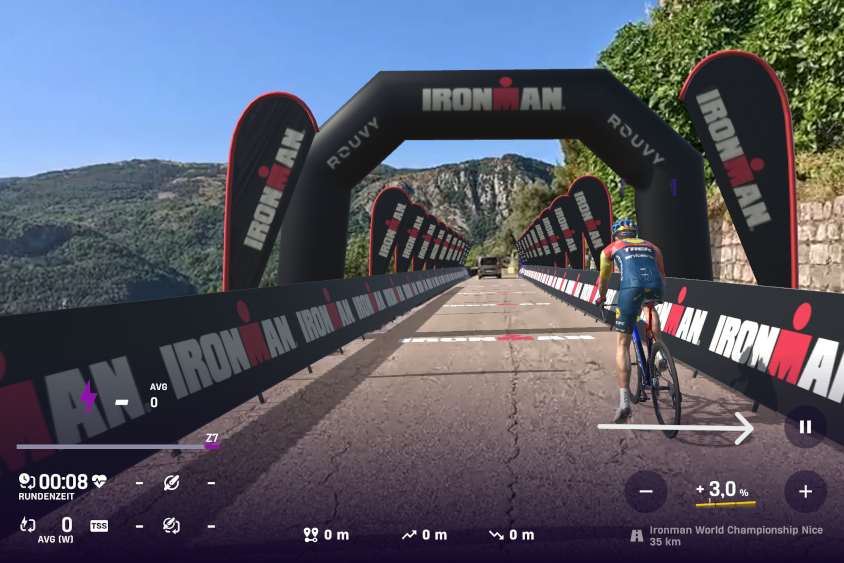
Indoor rides offer shelter from weather, no concern for daylight, and an escape from road-ragey drivers. Credit: Anon. Reddit User
Riding indoors also removes concerns about limited daylight, headwinds or crosswinds, aggressive drivers, questionable road surfaces, traffic signals, and ride-ending flats or mechanical failures.
Indoor cycling can provide greater pedal-stroke continuity than outdoor riding. There is less variability in resistance across the pedal stroke and fewer micro-recoveries from coasting, cornering, or stopping. On a Peloton bike or a similar flywheel-based spin bike, that continuous resistance means less total rest per minute of riding.
The same continuity can make indoor sessions feel more efficient because traffic and intersections do not interrupt the workout. However, constant pedaling may also lead to faster fatigue. For longer rides, plan your carbohydrate, fluid, and electrolyte intake rather than treating the session like a short spin.
For structured options, ACTIVE's indoor cycling training collection includes workouts and guidance for making trainer sessions more purposeful.
What Are the Benefits of Riding Outdoors?
Riding outdoors offers a chance to improve your bike-handling skills. Credit: Anon. Reddit User
Cycling purists may tell you outdoor riding is the only kind that counts, but we think differently.
Getting outside requires a little more preparation, and outdoor riding demands vigilance that isn't necessary indoors. For many riders, though, the changing environment makes a ride more visually engaging and mentally stimulating.
Riding with friends can also provide a social outlet that may feel more personal than sharing a virtual course with thousands of riders in different locations.
Variable terrain challenges you to steer, balance, corner, climb, descend, and react to changing surfaces. Those demands help develop bike-handling skills that a stationary trainer cannot reproduce. Outdoor riding also exposes you to sunlight, though sun protection remains important and vitamin D production varies based on factors such as season, location, skin exposure, and individual physiology.
Many cyclists find that outdoor rides last longer because the setting is stimulating and the bike allows more natural movement. Brief pauses for obstacles, stop signs, and traffic signals also provide micro-recovery, which may make it easier to stay out longer when nutrition and hydration are adequate.
A study comparing indoor and outdoor maximal cycling efforts reported higher outdoor power across several effort durations in the tested cyclists. Results can vary by rider, setup, cooling, and familiarity with indoor training, so indoor and outdoor power numbers should not automatically be treated as interchangeable.
Outdoor riding also recruits stabilizing muscles through steering, balance, and responses to changing road surfaces. By contrast, a stationary bike fixes the rider in place, and a flywheel can smooth the pedal stroke. That can help athletes practice higher cadences, but it may also mask an inefficient or choppy pedaling pattern that becomes more obvious outside.
Indoor training gives you control. Outdoor riding gives you context.
Should You Cycle Indoors and Outdoors?

Cyclists who ride indoors and outdoors can reap the benefits of both disciplines. Credit: Anon. Reddit User
You don't have to choose one environment exclusively. For a seasoned cyclist, indoor rides offer shelter from poor weather and distracted drivers while providing a controlled setting for interval work and fitness testing.
Outdoor rides add endurance, real-world skills, environmental variety, and race-specific experience. The small surges, coasting, climbs, corners, and interruptions that make outdoor data less tidy are also part of what cyclists need to handle in real events.
According to cycling simulation platform ROUVY, indoor power and pacing tend to be smoother, while outdoor sessions naturally include more variability. ROUVY recommends using indoor sessions for accuracy and outdoor rides for endurance, skills, and race feel.
Indoor riding may also provide a controlled option for cyclists returning from injury once they have been medically cleared to ride. It removes traffic, balance demands, and many environmental risks, though the rider's position and workload still need to be appropriate for the injury and recovery plan.
Quick Tip

Enjoy time outside on outdoor rides and collect consistent fitness data indoors. Credit: Anon. Reddit User
Why Can Power Feel Different Indoors?
Your measured power may be different indoors, and some riders find it lower. Cooling, bike position, trainer calibration, motivation, and familiarity with the setup can all affect performance.
TrainerRoad's comparison of indoor and outdoor riding notes that indoor cycling can feel harder because there is less coasting, while top-end efforts may feel easier to produce outside for some riders.
Because indoor and outdoor workouts place different demands on the rider, it can be useful to evaluate trends within each environment rather than expecting every metric to match exactly.
Indoor vs. Outdoor Cycling Benefits
| Outdoor Cycling Benefits | Indoor Cycling Benefits |
|---|---|
| Visually and mentally stimulating | Controlled environment with fewer external hazards |
| Time outdoors and exposure to natural light | Fewer distractions and interruptions |
| Develops bike-handling skills | Consistent, repeatable ride metrics |
| May encourage longer rides | No weather or daylight limitations |
| Varied terrain and real-world conditions | Requires less weather-specific gear and preparation |
Is Indoor or Outdoor Cycling Better?
Neither environment is universally better. Indoor cycling is often the stronger choice for convenience, structured intervals, controlled testing, and training when weather, traffic, or daylight create barriers. Outdoor cycling is the stronger choice for handling skills, environmental variety, social riding, and race-specific experience.
For many cyclists, the best plan combines both. Use the trainer when precision and efficiency matter, then ride outside when you need endurance, technical skill, and the experience of managing real terrain and conditions.
Frequently Asked Questions
Is indoor cycling as effective as outdoor cycling?
Indoor cycling can effectively build cardiovascular fitness, muscular endurance, and cycling-specific power. Outdoor riding adds balance, steering, terrain changes, and environmental demands, so the two formats are complementary rather than identical.
Why does indoor cycling feel harder than riding outside?
Indoor rides often include less coasting and reduced airflow, which can increase heat strain and make the effort feel more continuous. Bike position, trainer calibration, and familiarity with indoor riding can also affect perceived effort.
Does outdoor cycling burn more calories than indoor cycling?
Calorie expenditure depends on body size, intensity, duration, terrain, wind, and how much time you spend pedaling. Either environment can support a demanding workout, so comparing effort and duration is more useful than assuming one format always burns more.
Can indoor cycling improve outdoor performance?
Yes. Indoor training can improve fitness and make structured intervals easier to control. Cyclists should still practice outdoors to develop handling, braking, cornering, descending, group-riding, and race-specific skills.
How should I combine indoor and outdoor cycling?
Use indoor sessions for precise intervals, testing, or days when weather and time are limiting. Use outdoor rides for endurance, skill development, social riding, and practice on terrain similar to your goal event.