


Quick answer: Fall cycling comes down to visibility and layering. A headlight and taillight are non-negotiable as daylight shrinks, and a flexible layering system, arm warmers, a windblocking vest, midweight gloves, and warm socks or shoe covers, lets you dial comfort up or down as temperatures swing throughout a single ride.
Why Trust Us?
ACTIVE.com's editorial team relies on the knowledge and experience of fitness and wellness experts, including competitive athletes, coaches, physical therapists, nutritionists, and certified trainers. This helps us ensure that the products we feature are of the highest standard. Collectively, the team has spent countless hours researching equipment, gear, and recovery tools to create the most accurate, authentic content for our readers. Customer satisfaction is also a key part of our review process, which is why we only feature highly rated products.
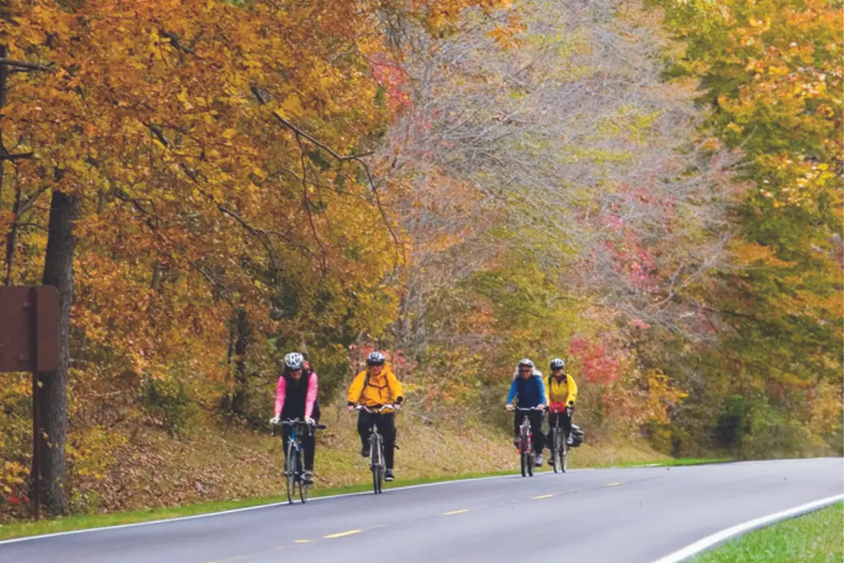
Keep riding into the fall. Credit: Creative Commons/Natchez Trace Compact
Riding through the fall swing season affords some of the most enjoyable, scenic cycling on the calendar. But with daylight diminishing rapidly and the potential for some chilly pedaling, you'll need to make a few considerations for autumn riding.
Consider planning a route with an online tool like Strava to ride more safely on well-lit roads and paths, especially if you're starting early morning or riding into dusk or later.
Of course it's a great idea, and will save you money in the long run, to keep up with cleaning and maintaining your bike. You don't ever want to risk a flat or experiencing a mechanical problem, and especially if you ride later in the day, with earlier sunsets.
We cannot recommend enough using a tail light any time you're in the saddle, even under a noon sun, to elevate others' awareness of you, and being seen matters most in diminished daylight. A bright taillight is a must-have cycling accessory. You'll also do well to have a bright headlight to help see and be seen.
A sturdy set of fenders, or even a removable rear fender, is also a nice addition to your cycling arsenal. Clip it on before riding if there's a chance of rain. If the weather is favorable, you can easily remove it.
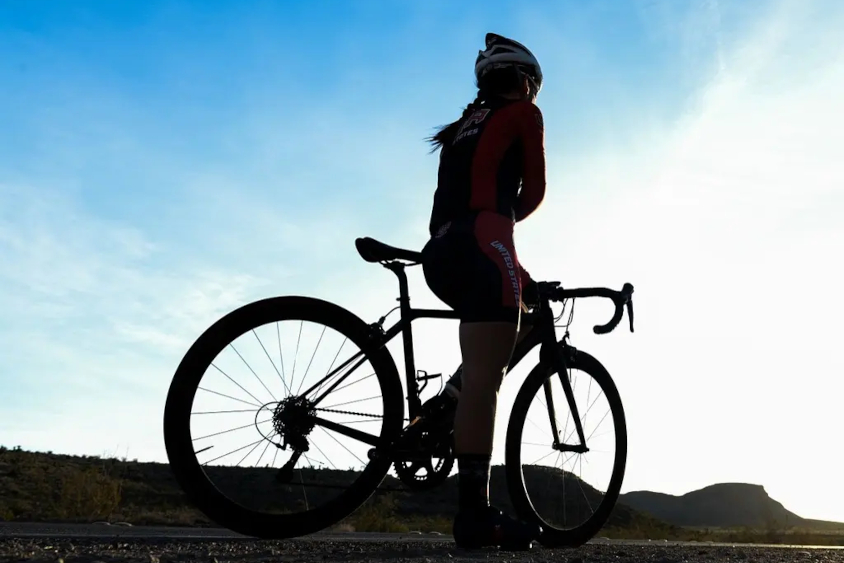
Don't forget a headlight and a tail light when riding into low-light conditions. Credit: Creative Commons
What Gear Do You Need for Fall Cycling?
No matter what season you prefer to cycle, you'll always want eye protection. Sunglasses not only protect your eyes from sun damage, but also keep you safe from airborne debris. When riding during swing season, cycling sunglasses with high-contrast lenses and/or photochromic lenses, which darken in bright sun and quickly change to clear in low light, are must-haves.
When the sun is low and temperatures aren't conducive to cycling shorts and short sleeves, you can stay comfortable with an adaptable outer-layer strategy. Layers that are easy to put on and take off, and that fit easily into jersey pockets when not in use, are key. In nearly all climates, arm warmers and a windstopping vest are cycling essentials. You can pull arm warmers to your wrists without taking them off while riding, and a windblocking vest with two zippers makes thermoregulation easy so you don't overheat.
If you know temperatures won't reach summer levels and will stay below 60°F (16°C), a lightweight long-sleeve jersey and baselayer will be appropriate. At this temperature and slightly below, you may want some lightweight knee warmers, too.
Quick Tip

Scenic fall cycling at dusk. Credit: anonymous Strava user
Cycling Gear to Keep Out the Chill and Keep You Happy
If you ride outdoors in mid- to late autumn, consider adding warmer gear to your sports apparel drawer.
You won't need thermal cycling gear yet, but you will want a warm cycling baselayer, a midweight long-sleeve jersey, warm socks, and road cycling shoes that protect you from the chill. Bib shorts with a thermal lining will keep you comfortable, especially when paired with thermal knee warmers or ¾-tights.
If your feet are susceptible to cold, don midweight cycling shoe covers. Midweight gloves or winter glove liners will keep your fingers warm so you can shift and brake effectively.
A layering strategy with the right gear will serve you well from summer to winter
A layering strategy with the right gear will serve you well from summer to winter, and you can also break out your cycling apparel for cool spring rides.
Top 5 Swing Season Cycling Must-Haves
- Headlight and taillight
- Mid-weight gloves
- Arm warmers
- Windblocking vest
- Warm socks or shoe covers
Frequently Asked Questions
What temperature should I switch to fall cycling gear?
Once temperatures drop below 60°F (16°C), a lightweight long-sleeve jersey and baselayer become appropriate, along with lightweight knee warmers. As it gets colder into mid- and late autumn, layer in a warmer baselayer, midweight jersey, and thermal-lined bib shorts.
Do I really need lights for fall cycling if I'm not riding at night?
Yes. Daylight shrinks fast in the fall, and a tail light is worth using anytime you're riding, even under a midday sun, to increase your visibility to drivers. A bright headlight also helps you see and be seen as sunsets creep earlier.
What's the best way to layer for a fall ride with changing temperatures?
Prioritize pieces that are easy to add or remove mid-ride and pack down small in a jersey pocket. Arm warmers you can push to your wrists without stopping, and a windblocking vest with two zippers for easy thermoregulation, are two of the most versatile pieces for a single ride that starts cold and warms up.
Do I need cycling sunglasses in the fall if it's not that sunny?
Yes, sunglasses still matter for protecting your eyes from airborne debris, not just sun glare. Photochromic or high-contrast lenses are especially useful in fall, since they adapt as light conditions shift quickly between bright sun and dim, low-angle light.
What should I do about cold feet and hands on fall rides?
Midweight cycling shoe covers help if your feet run cold, and midweight gloves or winter glove liners keep your fingers warm enough to shift and brake effectively without losing dexterity.