


Photo credit: Jasper Liu
If you’re a multisport athlete training for swim, bike, and run, as well as managing a career and family, too, adding more to your triathlon training to-do list might be a bit much.
Why Trust Us?
ACTIVE.com's editorial team relies on the knowledge and experience of fitness and wellness experts, including competitive athletes, coaches, physical therapists, nutritionists, and certified trainers. This helps us ensure that the products we feature are of the highest standard. Collectively, the team has spent countless hours researching equipment, gear, and recovery tools to create the most accurate, authentic content for our readers. Customer satisfaction is also a key part of our review process, which is why we only feature highly rated products.
But what if you could do more with minimal or no additional financial outlay, and reap the gains in your next triathlon? Will gym time make you a faster cyclist or runner? Will doing more core-strengthening work make you a more streamlined swimmer? Can cross-training help you avoid overuse injuries?
"Cross-training can be a great way to accomplish training goals and stay injury-free or become a more resilient triathlete," says Nicholas Goode, PhD, CSCS. "Cross-training can be a part of a balanced progression to ensure that the same repetitive stress does not result in overuse."
Seasonal shifts in training
For all but the most elite athletes—who have access to sports labs and medical teams to support them and advise them on how and when to train—tailoring your training to your focus, strengths, and calendar should yield benefits. This concept aligns with the periodization principle for endurance training.
Goode, who previously served as the strength and conditioning coach and assistant triathlon coach at ETSU suggests strategically cross-training through the early stages of build to racing.
"Much of the time, cross-training sessions are utilized more in the early phases of the year when general volume needs to be increased," says Goode. "For example, early on in general preparation, cross-training can be used to increase volume without overuse. Think adding a pick-up game of basketball, or various non-swim-bike-run workouts aimed to get heart rate and activity up without structure in the plan."
What does this mean? Change things up to increase volume without risking overuse injury, keep a fresh perspective, and to make physiological adaptations. If you’re new at triathlon and its disciplines, don’t neglect key workouts or technical/skills focus. These will help you succeed whether you want to complete or compete.
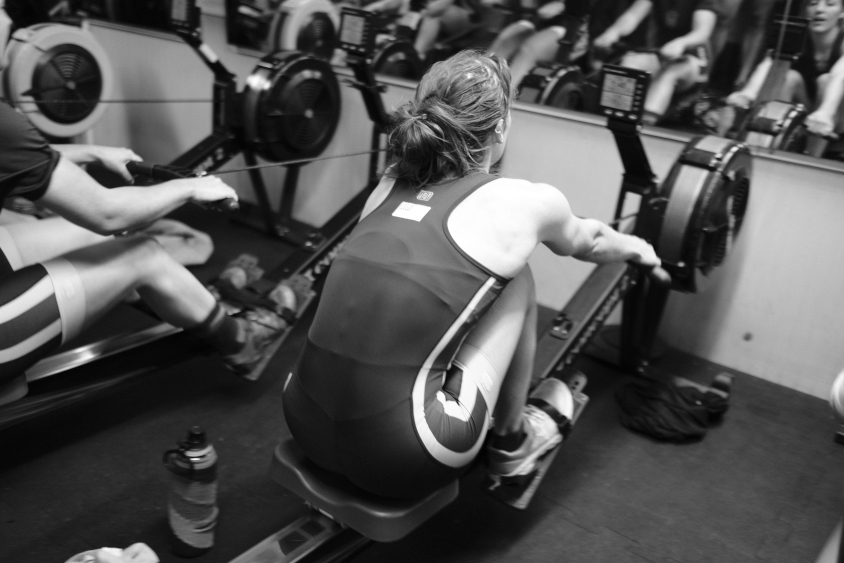
"This should not be seen as a time to try a new sport, but if you have utilized rowing, for instance, in the early phases, you could mix it in to keep focused," offered Goode.
Keeping this in mind, depending on how much time you have before your first race and/or your season's focus race, cross-training is highly beneficial. And if you come to triathlon with a background in one of the three sports, there's an opportunity to cross-train some of the time in your strongest discipline.
What to cross-train for a triathlon
CrossFit and Hyrox, climbing, and other non-bilateral activities requiring strength and body awareness are always great options for a change of focus in the off-season. But take caution not to introduce unexplored injuries when doing so.
All triathletes will benefit from time in the gym to build explosive strength, which will improve their cycling and running in any-distance triathlon.
Pro triathlete Fenella Langridge loves hitting the gym as part of her training routine.
"Every time you go to the gym, you can see yourself improving, even if it's by a single rep or lifting a few more kilograms. In the pool or out running, those gains aren’t always immediately obvious," she says on her running shoe sponsor’s blog.
Strength training for cycling is crucial for building pedaling economy and efficiency. Hitting the gym for running training to improve strength and prevent injury is also well-studied. And swimming, while very technical, does benefit from some strength training.
"Cross-training sessions like rowing or XC skiing can also be used to work around weather, in cold climates, or when you can't sit on the trainer or treadmill another second," suggests Goode. "In season, when specific prep is needed, and workouts are dialed-in for a target, cross-training can be utilized as a way to get higher quality general volume minutes as it provides an unfamiliar/novel stimulus while keeping engaged."
Instead of swimming, try
One aspect of triathlon requires a lot of sport-specific technical work: swimming. Even lifelong swimmers will tell you about quickly losing the feel for the water and how it can take some time to regain it after time out of the pool. And open-water swimming requires the additional skill set of sighting and navigation.
While swimming is hard to substitute when cross-training, you can do "dry land" work for injury prevention, core strengthening, and general well-being. Adding a gym session is advisable, but not at the trade-off of a swim. If your pool is part of a sports facility with a fitness center, you might not need any additional cash outlay to use it.
Cycling workouts could be substituted with
Cycling may be the most flexible for cross-training, but, as with swimming and running, don’t neglect the technical aspects gained from riding outdoors. There’s no substitute for practicing bike handling skills on the road. If you’re at ease on the bike, you’ll go faster with less effort.
Strength training may benefit cycling the most—squats, deadlifts, and lunges—but don’t neglect full-body work to keep your core and upper body engaged and ready to support your swim and position on the bike.
While cycling may require a greater volume to achieve improvement and build comfort and efficiency, some cross-training can be incorporated to prevent injury and stay fresh. Besides hitting the weights, substituting cross-country skiing, elliptical/stepper, or rowing can yield fitness gains.
If you want to stay on the bike but still vary your training, mountain biking is an excellent way to build fitness, improve bike handling, and explore off-road routes.
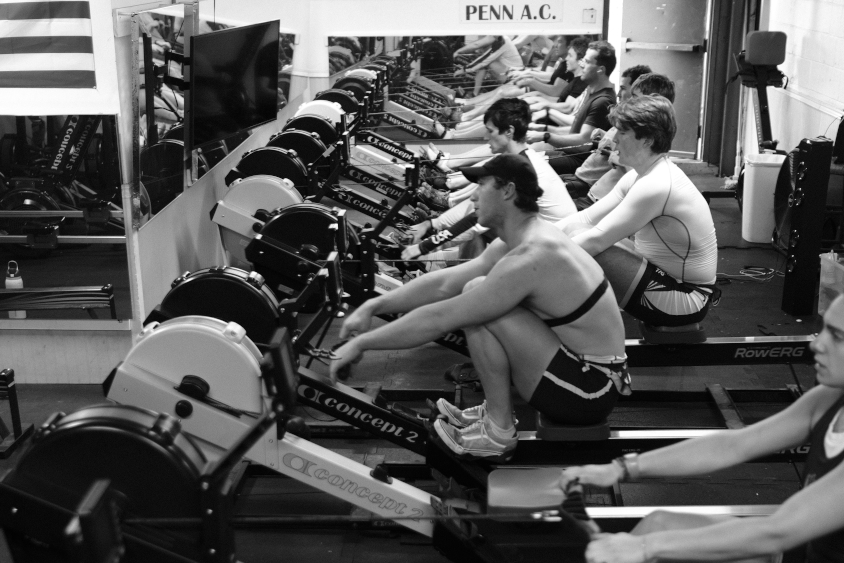
Photo credit: Jasper Liu
Swap run training for
For those with a running background, some cross-training in the gym is always a good option for strengthening and injury prevention. Other modalities could include an elliptical trainer or stair stepper, rucking or weighted walking, and even cross-country skiing (if the season is right and you have the gear).
Other running cross-training activities might include replacing track sprints with stadium stairs. Staying mentally fresh and excited to race is nearly as important as fitness-based training.
"You definitely can employ cross-training to make you a better triathlete, using it to bolster and aid in goals or active recovery as a part of your training. I think of it as the seasoning in a recipe, much like strength training. It is necessary to ensure a great tasting training plan, added Goode.
Did we miss a favorite triathlon cross-training activity? Let us know!