

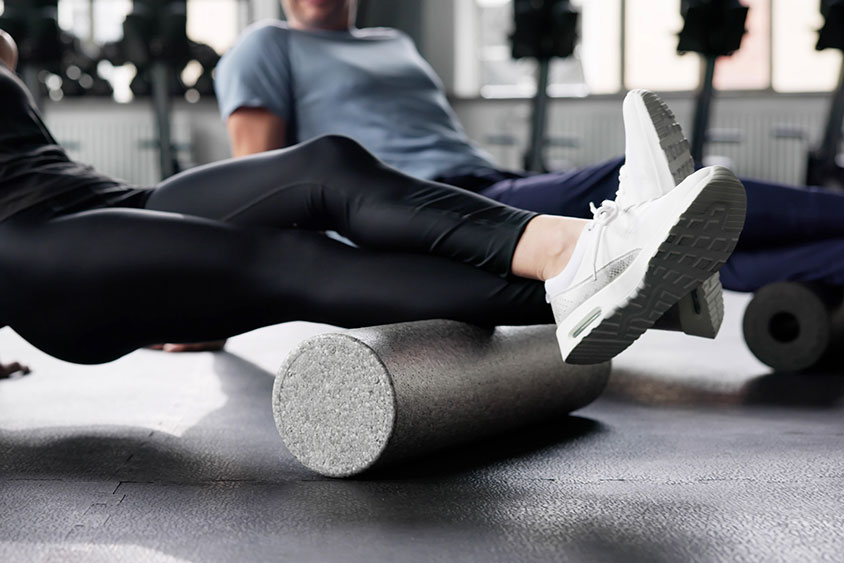
Lace up, head out, repeat. Running is repetitive by nature. Wash, rinse, repeat. Just like a favorite piece of clothing that has been worn and washed too many times, running places consistent demands on the body that can accumulate quickly without intentional recovery. Mileage builds fitness, but adaptation happens in the space between runs. The right recovery tools can help restore mobility, support tissue health, and give the nervous system a chance to reset so you can keep logging those miles consistently.
Why Trust Us?
ACTIVE.com's editorial team relies on the knowledge and experience of fitness and wellness experts, including competitive athletes, coaches, physical therapists, nutritionists, and certified trainers. This helps us ensure that the products we feature are of the highest standard. Collectively, the team has spent countless hours researching equipment, gear, and recovery tools to create the most accurate, authentic content for our readers. Customer satisfaction is also a key part of our review process, which is why we only feature highly rated products.
Before complicated routines come into play, runners benefit most from having the right basics in place. These are the tools I most often recommend to help reduce stiffness, restore movement, and support recovery between runs.
Foundational Recovery Tools:
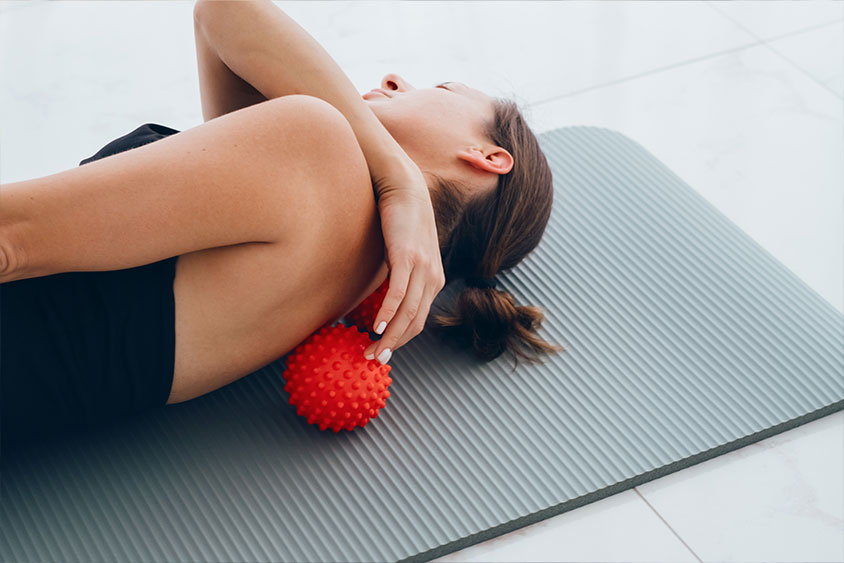
Massage Balls
Small but highly effective, massage balls allow runners to target areas that larger tools can miss. They are especially useful for the feet, calves, glutes, and along the shoulder blades – all places that tend to tighten with repetitive mileage and with having an active body.
Gentle rolling and sustained pressure help relieve restricted areas, restoring more natural movement. Their compact size also makes them easy to use at home or pack when traveling to races.
How it fits into a routine – Massage balls are easy to reach for after a run, at the end of the day, or anytime specific spots are sore. Their small size makes quick tune-ups possible without committing to a full recovery session.
Check Out A Variety Of Massage Balls From Amazon
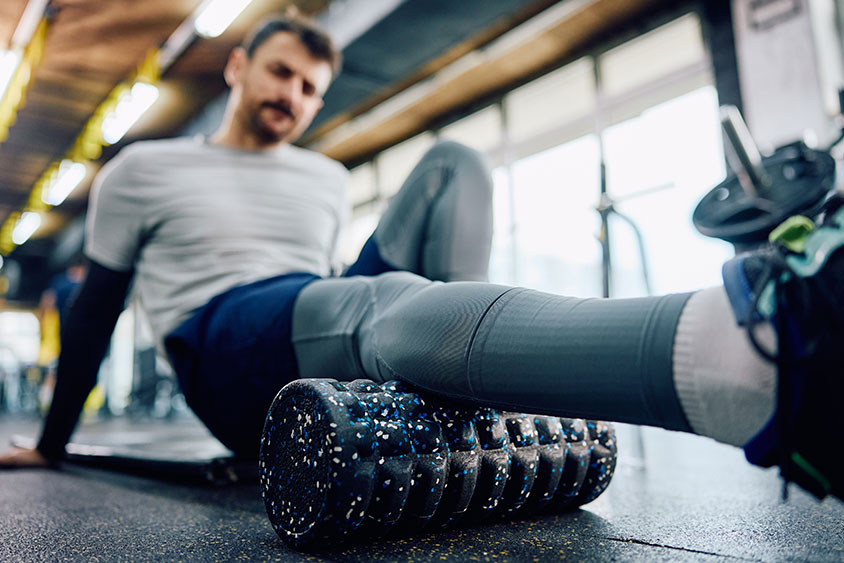
Foam Roller
Few recovery tools are as widely used among runners as the foam roller, and its popularity is well earned. It provides broad pressure across larger muscle groups such as the quads, hamstrings, calves, and hips, all of which absorb repetitive load with every stride.
Used consistently, foam rolling can help reduce post-run stiffness, support circulation, and maintain mobility throughout a training cycle. It is simple, accessible, and remains one of the most dependable ways to support recovery between runs.
How it fits into a routine – Foam rolling often works well immediately after runs or later in the evening to ease accumulated stiffness. Because it covers larger areas quickly, it is a great choice when time is limited.
Check Out A Variety Of Foam Rollers From Amazon
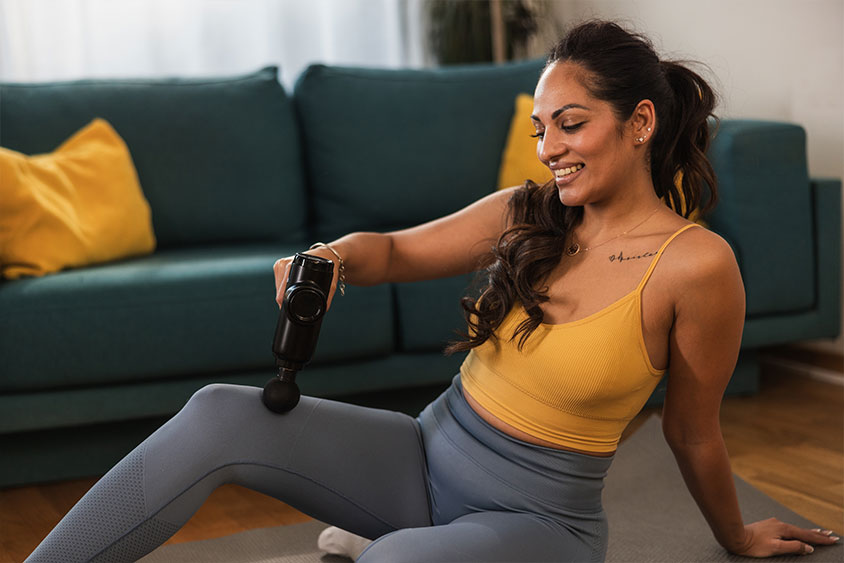
Percussive Massage Device
Percussive therapy tools, like the Theragun, are a popular option for delivering rapid, targeted stimulation to tired and sore muscles. They are particularly helpful for larger muscle groups such as the quads, calves, and glutes after long runs or more strenuous efforts.
The quick pulses promote circulation and temporarily relieve tightness without requiring additional movement, making them a practical option when the body feels fatigued and in need of special attention. With many options available, choosing one often comes down to comfort and ease of use.
How it fits into a routine – A percussive device can be helpful after demanding runs or on days when muscles feel fatigued. It is a great option when you want targeted attention but don’t have time for a longer mobility session.
Check Out A Variety Of Percussive Massage Devices From Amazon
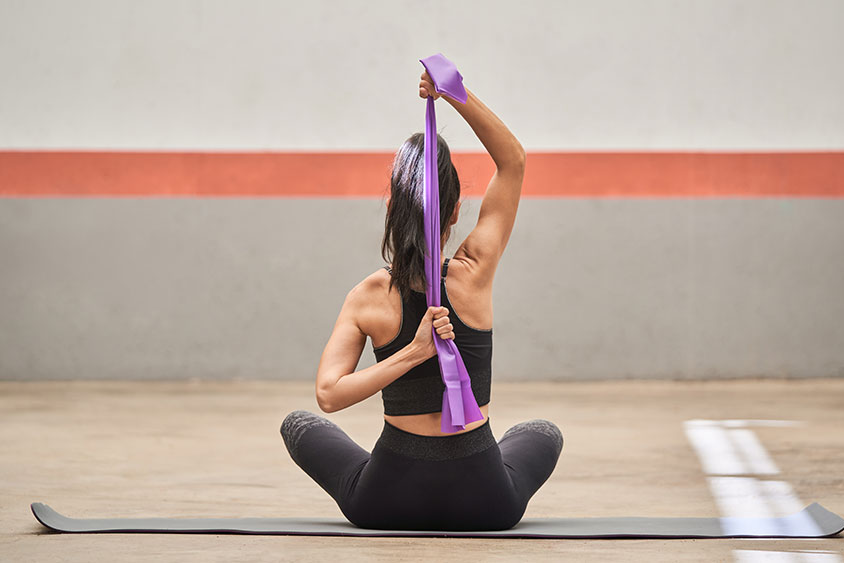
Stretching and Mobility Tools
After soft-tissue work, runners often need movement that takes them in a direction different from running. Mobility tools can help restore extension, open the hips, and give the spine greater mobility. When the spine moves well, the hips and shoulders tend to follow, allowing for smoother, more efficient movement during runs.
Check Out A Variety Of Stretching Tools From Amazon
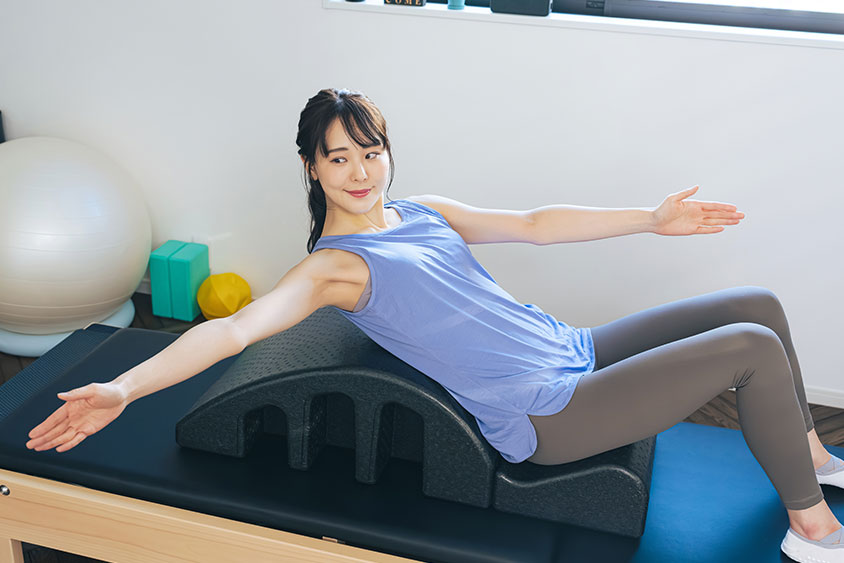
Pilates Arc
The Pilates arc offers gentle support for spinal extension while allowing runners to open areas that commonly become restricted and tight, particularly the chest and hip flexors. Its curved shape helps guide the body into positions that counteract hours spent leaning slightly forward during runs. This is also helpful for individuals who sit for long periods during the day when not running or training.
By encouraging length through the front of the body and mobility through the spine, the arc can help runners feel less compressed and better aligned between training and miles.
How it fits into a routine – The Pilates arc works well after runs, strength workouts, or long stretches of sitting. It is particularly effective when the body feels compressed and in need of gentle opening.
Check Out TA Variety of Pilates Arcs From Amazon
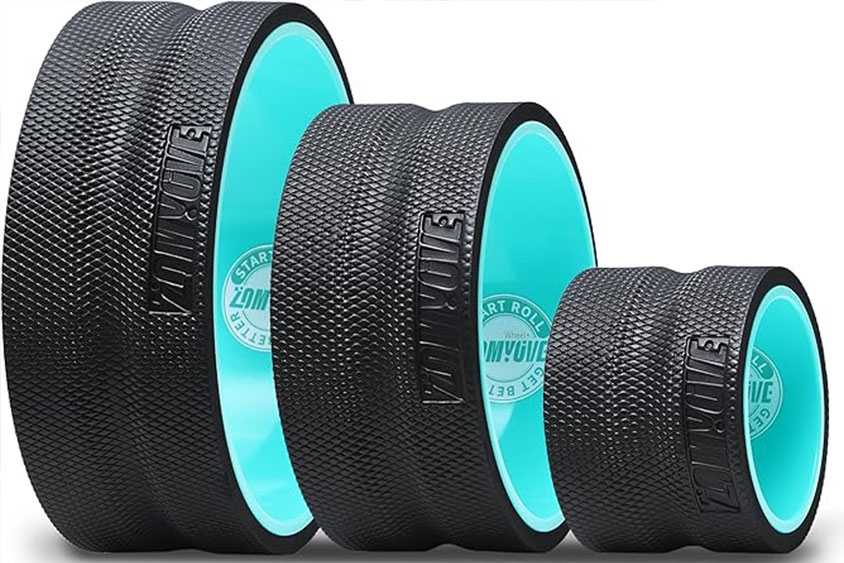
Back Mobility Wheel
For runners seeking a more portable or budget-friendly option, a back-mobility wheel, such as the Chirp wheel, can provide similar benefits. The rounded surface supports spinal extension while providing feedback along muscles that tend to stiffen.
It is an approachable way to introduce extension-based mobility work without needing a large setup or studio equipment.
How it fits into a routine – A mobility wheel is easy to use at the end of the day or after time spent in a forward posture.
Check Out A Variety Of Back Mobility Wheels From Amazon
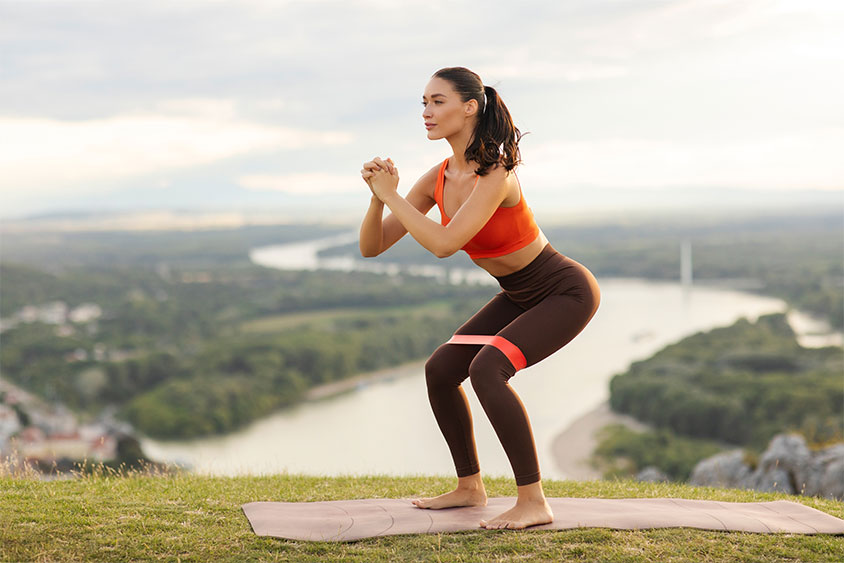
Yoga Bands
Yoga bands, often called resistance bands or by brand names such as Theraband, are long, stretchy straps that can improve mobility while providing gentle resistance. They are particularly great for lengthening the hamstrings and opening the hips, both inner and outer. The gentle resistance offers feedback and control, helping the body explore a range of motion without forcing positions. Because they are lightweight and easy to pack, bands are a practical addition to a recovery routine at home and on the road.
How it fits into a routine – Bands are useful during warm-ups, recovery sessions, or while traveling when equipment is limited. They offer a simple way to explore mobility while keeping muscles lightly engaged.
Check Out A Variety of Yoga Bands From Amazon
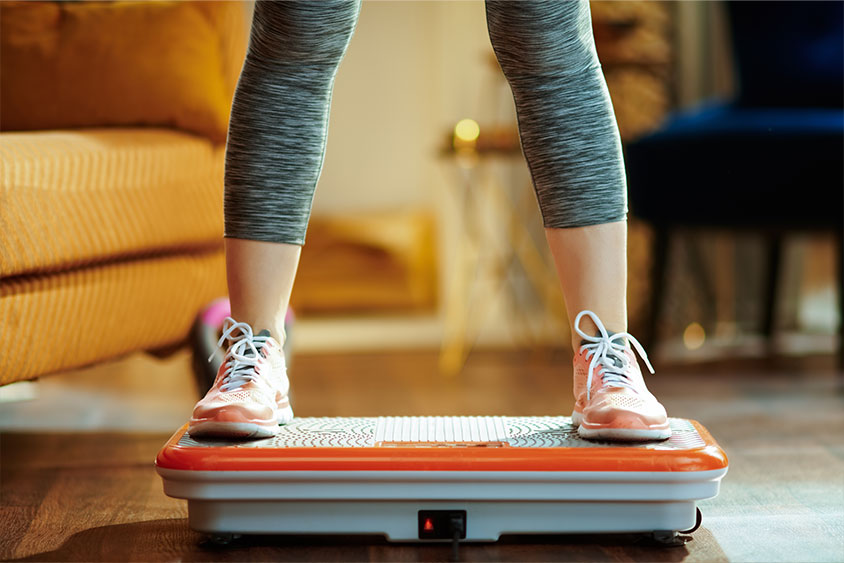
Vibration Plate
Vibration plates use gentle mechanical oscillations to stimulate muscles while you stand or rest on them in supported positions. For runners, this can be a low-impact way to promote circulation and reduce heaviness after high-mileage days. Percussive stimulation may help fatigued muscles feel more awake without adding load, making it an appealing option when recovery time is limited, but the body still needs attention. While not essential for everyone, it can be a useful complement to mobility and soft-tissue work.
How it fits into a routine – A vibration plate can be a good addition on recovery days or after higher-mileage runs. It provides a way to give the body input and stimulation without adding more physical demand.
Check Out A Variety of Vibration Plates From Amazon
Effective recovery is less about doing more and more and more about doing the right things regularly. The most effective tools are the ones that help your body move well, feel supported, and return to a more balanced state between runs. Whether it’s a few minutes with a massage ball, time spent opening the front of the hips, or gentle stimulation to encourage circulation, these strategies help the body show up better prepared for the next run.
Running places a lot of stress on the body. Thoughtful attention away from the miles makes it easier to keep showing up for the miles still to come.
By clicking on the product links in this article, we may receive a commission fee at no cost to you, the reader. Sponsorships and affiliate commissions help support our research so we can help you find the best products. Read full affiliate disclosure here.