

Starting strength training can feel intimidating at first, especially with endless workout advice, complicated routines, and flashy exercises online. But building strength does not have to start with heavy weights or advanced gym equipment. The best beginner exercises are often the simplest because they teach the body how to move well before adding intensity. A strong foundation improves balance, coordination, posture, and stability while helping reduce the risk of injury.
Whether your goal is to feel stronger in everyday life, support another sport like running or golf, or simply move with more confidence, starting with the basics is one of the smartest things you can do.
Why Trust Us?
ACTIVE.com's editorial team relies on the knowledge and experience of fitness and wellness experts, including competitive athletes, coaches, physical therapists, nutritionists, and certified trainers. This helps us ensure that the products we feature are of the highest standard. Collectively, the team has spent countless hours researching equipment, gear, and recovery tools to create the most accurate, authentic content for our readers. Customer satisfaction is also a key part of our review process, which is why we only feature highly rated products.
Here are some of the best strength training exercises for beginners and why they deserve a place in your routine.
Squats
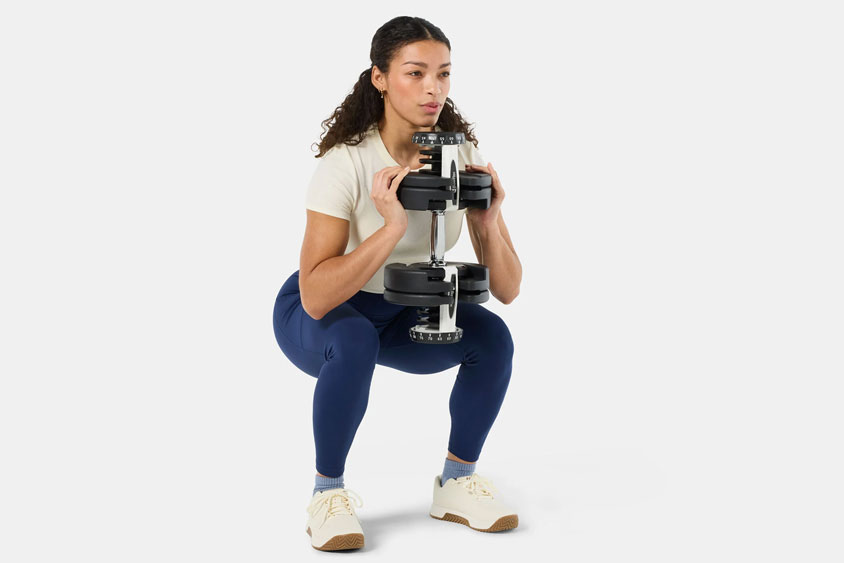
Squats are one of the foundational movements in strength training because they build strength through the legs, glutes and core all at once. They also carry directly into everyday activities like sitting, standing, climbing stairs, and lifting objects from the ground. Beginners can start with bodyweight squats or squat to a chair for added support and control. Focus on keeping the feet grounded, chest lifted, and movement slow and steady.
A helpful cue is to think about sitting the hips back while keeping pressure through the entire foot rather than shifting onto the toes or heels only.
Romanian Deadlifts (RDLs)
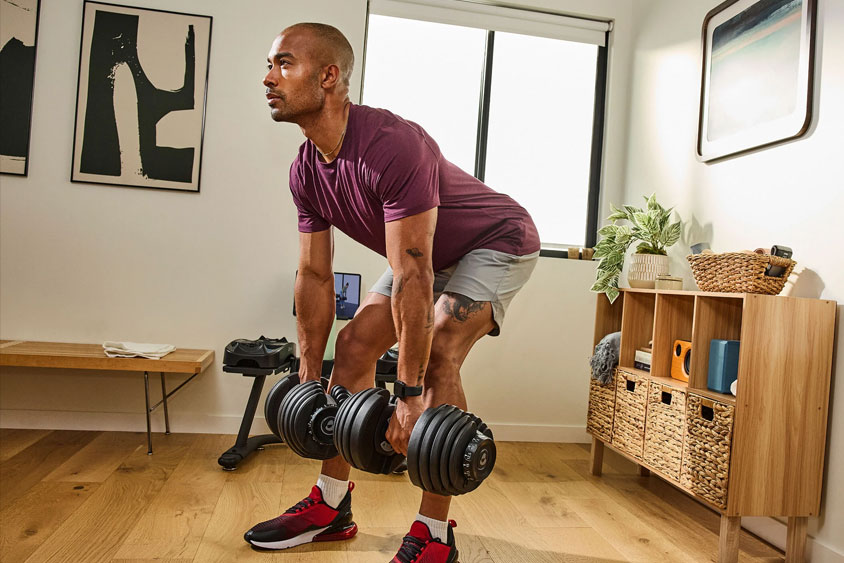
RDLs help strengthen the glutes, hamstrings, core, and lower back while teaching an important movement pattern known as the hip hinge. Learning how to hinge properly can improve posture, lifting mechanics, and overall body awareness. Beginners can practice this movement first without weight or by using a dowel or broomstick to help maintain alignment. Once comfortable, light dumbbells can be added.
Instead of thinking about bending forward, focus on sending the hips backward while keeping a long spine and a slight bend in the knees. You should feel tension through the back of the legs without rounding the back.
Push-Ups
Push-ups are an excellent beginner exercise because they build upper-body and core strength at the same time. In addition to strengthening the chest, shoulders, and triceps, push-ups teach the body how to stabilize through the trunk during movement. Beginners do not need to start on the floor. Wall push-ups or incline push-ups using a bench or countertop are great starting points that allow proper form to develop. Keep the body in one long line and think about pushing the floor away rather than collapsing into the shoulders.
Once foundational pushing strength improves, exercises like the bench press can be a natural progression for building upper body strength.
Rows
Rows strengthen the upper back and help improve posture, which is especially important for people who spend long periods sitting at a desk or looking down at devices. Resistance bands or light dumbbells work well for beginners. The goal is not to yank the weight backward, but to move with control while keeping the shoulders back and down rather than rounded forward. Think about pulling from the back muscles instead of shrugging through the neck and shoulders.
Planks
Planks are one of the simplest ways to build core stability and body control. A strong core supports balance, posture, and movement efficiency during both workouts and everyday activities. Beginners can modify planks by elevating the hands on a bench or countertop if holding a position on the floor feels too challenging at first. Planks may also be done on the forearms so as to take stress off of the wrists.
Focus on maintaining a long line from the head through the heels while breathing steadily instead of holding tension in the neck or shoulders.
Farmer Carries
Farmer carries are one of the simplest yet most effective functional strength exercises for beginners. This movement strengthens the grip, shoulders, core, and posture while teaching the body how to stabilize under load.
To perform a farmer’s carry, hold a pair of dumbbells at your sides and walk slowly with control. Stand tall, keep the shoulders relaxed, and avoid leaning side to side as you move. Even lighter weights can become challenging when posture and control are maintained.
How Often Should Beginners Strength Train?
For beginners, two to three strength sessions per week are a great starting point. Focus on consistency and quality of movement rather than trying to do too much too quickly. Rest days are also important because muscles need recovery in order to rebuild and grow stronger. Starting with a handful of foundational exercises and practicing them regularly can go a long way toward building confidence and improving strength.
How Long Should Beginner Strength Sessions Be?
Beginners do not need hours in the gym to build strength. In many cases, 30 to 45 minutes of focused training each session is enough to create noticeable progress. Start with a small number of exercises and focus on quality movement rather than rushing through a long workout. Rest periods between sets can also help maintain good form and reduce fatigue, especially while learning new movements.
How Many Sets and Repetitions Should Beginners Do?
For beginners, starting with 1 to 3 sets of 8 to 12 repetitions per exercise is a manageable and effective approach. This repetition range allows the body to build strength while practicing control and proper movement patterns.
Choose a weight that feels challenging during the final few repetitions without causing form to break down. If you find yourself rushing, holding your breath, or losing alignment, the weight is likely too heavy. If the exercise feels extremely easy from start to finish and you have checked for proper form, it may be time to increase resistance slightly.
Adjustable dumbbells, such as the Bowflex SelectTech 552 Adjustable Dumbbells, can be especially helpful for beginners because they allow gradual increases in weight without requiring multiple sets of equipment. Small increases in weight are often enough to continue progressing safely while maintaining movement quality.
Strength training does not need to be complicated to be effective. Instead of chasing advanced workouts right away, focus on learning how to move well first. A strong foundation supports everything that comes next.
Check Out The Bowflex Select Tech 552 Adjustable Dumbbells
By clicking on the product links in this article, we may receive a commission fee at no cost to you, the reader. Sponsorships and affiliate commissions help support our research so we can help you find the best products. Read full affiliate disclosure here.