

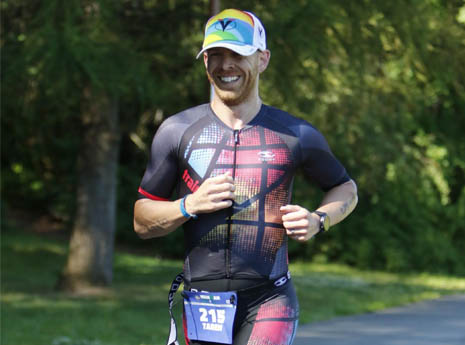

Crossing the finish line of a triathlon is one of the best feelings in endurance sport. But what you do in the hours and days afterward matters just as much as the training that got you there. Knowing how to recover after a triathlon is what separates athletes who come back stronger from those who get hurt, get sick, or burn out chasing the next start line before their bodies are ready.
I've been in your shoes: the sore legs, the restless nights before a big race, and then the itch to jump back into normal training to chase down your next goal. You can absolutely reach your endurance race goals; you just need consistent progress stacked over time, and a smart post-race recovery plan is a huge part of getting there.
Why Trust Us?
ACTIVE.com's editorial team relies on the knowledge and experience of fitness and wellness experts, including competitive athletes, coaches, physical therapists, nutritionists, and certified trainers. This helps us ensure that the products we feature are of the highest standard. Collectively, the team has spent countless hours researching equipment, gear, and recovery tools to create the most accurate, authentic content for our readers. Customer satisfaction is also a key part of our review process, which is why we only feature highly rated products.
We're experts at helping age-group triathletes train, race, and recover the right way, and this guide will walk you through exactly how to do it.
Why Post-Race Recovery Matters for Every Triathlete
Recovery isn't the absence of training; it is training. The fitness you built over months of hard work only "sticks" when your body gets enough time to recover, rebuild, and adapt. Skip the recovery process, and you don't just feel bad; you actively undercut the gains you raced so hard to earn.
What Happens to Your Body After a Triathlon
A triathlon places enormous demands on your entire system. During physical exertion at race intensity, several things happen at once:
- Muscle damage: hours of exertion create tiny tears in your muscle fibers, which is why soreness and tight muscles show up in the days after.
- Depleted glycogen stores: your body burns through its stored carbs for fuel, leaving you drained and needing to replenish.
- Dehydration and sweat loss: heavy sweat loss depletes fluids and electrolyte levels, which is why hydration is priority number one.
- Inflammation: a normal part of muscle recovery, but it's the reason your legs feel heavy and stiff.
- Immune suppression: a hard effort temporarily lowers your defenses, making rest and sleep essential.
For a deeper look at the recovery tools that can speed up this process, check out this roundup of 10 tools to help boost your recovery after a triathlon.
The Risks of Skipping Recovery
It's tempting to enter the next race or jump back into regular training while the fire is still burning. But cutting your physical recovery short comes with real costs:
- Increased risk of injury from training on fatigued, unrepaired muscles
- Illness, thanks to that dip in immune function
- Overtraining and burnout, mental and physical staleness that can last weeks
- Stalled progress, because adaptation happens during rest, not during the workout
How Recovery Fits Into Your Racing and Training Cycle
Think of recovery as a planned phase of your season, not an afterthought. Every training cycle should build in a time to recover after a key race before the next block begins. When you respect that rhythm — hard work, then recovery, then adaptation — you protect your long-term progress and keep racing and training sustainable year after year.
Recovery isn't the absence of training; it is training. The fitness you built over months of hard work only "sticks" when your body gets enough time to recover, rebuild, and adapt.
How Long Does Triathlon Recovery Time Take?
The honest answer: it depends. Your recovery time is driven by three main factors: race distance, your fitness and experience, and how hard you actually raced (your A, B, or C race). For a detailed breakdown of the factors that affect recovery time, this guide to determining your race recovery time is worth reading alongside this article.
How Race Distance Affects Recovery (Sprint to Ironman)
As a rough guide, here's how time to recover fully scales with distance:
- Sprint-distance triathlon: anywhere from less than 1 hour of feeling wiped out to about a week.
- Olympic-distance triathlon: typically a few days to a week of easy training.
- Ironman 70.3: often 7 to 10 days of reduced training before you feel fresh.
- Ironman 140.6 triathlon: 2–3 weeks minimum, and up to 6 weeks for full muscle recovery.
After an Ironman 70.3, most athletes need roughly 7 to 14 days before their legs feel fresh enough for real intensity. Keep the first several days very light, let the soreness fully clear, and don't rush the return. A half-distance race is a serious effort; give it the respect (and the rest) it deserves.
A full Ironman is in a category of its own. Plan for 2–3 weeks of genuinely reduced training at minimum, and know that it can take up to 2 months to feel completely like yourself again. It's completely normal for it to take 2 months to feel 100% after a 140.6; that's not weakness, that's physiology.
Quick Tip
Recovery Time Based on Your Fitness and Experience
Your experience and fitness have a big influence on how fast you bounce back:
- Beginners generally need recovery toward the longer end of the range, because the race places greater stress on a body that isn't yet adapted to it.
- Highly trained athletes usually recover faster, because they're already adapted to high training volumes and the demands of racing.
How Race Intensity (A, B, or C Race) Affects Recovery
How hard you actually raced is just as important as how far you raced. Your effort level sets how much stress you put on your body and, in turn, how much time to recover you'll need:
- A race: a maximum, all-out effort that creates the greatest demand for recovery.
- B race: a steady effort that isn't pushed to the limit, so it requires less recovery.
- C race: treated as an easy training day at a submaximal pace, requiring the least recovery of all.
The same distance can leave you needing anywhere from a single easy day to a couple of weeks off, depending entirely on how deep you dug on race day.
Recovery Time for the Beginner Triathlete
If you're a beginner, give yourself extra grace. Your body worked harder relative to its current fitness, so you'll likely need more time to recover than a seasoned athlete racing the same distance. That's not a setback; it's exactly how adaptation works, and every race makes you fitter and faster, helping you recover next time.
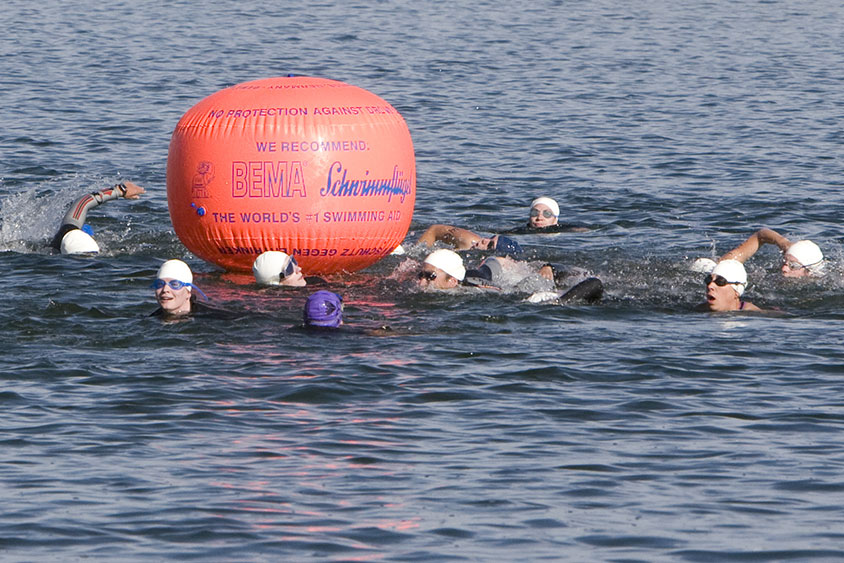
What to Do on Race Day and the First 24 Hours
No matter the distance, your fitness, or whether it was an A, B, or C race, the first 24-hour protocol is the same. This is where great post-race recovery begins.
Your First 1 Hour After Crossing the Finish Line
In the first 1 hour, focus on these steps in order:
- Keep moving gently; a slow walk helps increase blood flow and prevents you from seizing up.
- Rehydrate and start replacing fluid and electrolyte losses right away to fight dehydration.
- Refuel with a mix of carbs and protein (a recovery shake is perfect) to kick off muscle recovery and start replenishing your glycogen stores.
- Get dry and warm (or cool), change out of wet kit, and regulate your temperature.
- Watch for warning signs; dizziness, cramping, or feeling faint means sit down, get help, and prioritize fluids.
Nutrition and Hydration Immediately Post-Race
Good nutrition and hydration in the first few hours pays off for days. Aim to:
- Rehydrate with water plus an electrolyte source until your urine runs pale.
- Eat freely; this is the one time to follow your cravings and enjoy real food to replenish energy.
- Prioritize a mix of carbs and protein; carbs replenish glycogen stores, while protein repairs muscle damage.
- Grab quick fuel if solid food isn't appealing; a gel, a recovery shake, or a smoothie all work.
Active Recovery vs. Complete Rest on Race Day
You don't have to lie on the couch; in fact, gentle active recovery often helps you feel better faster by promoting blood flow. Great low-effort options include:
- A very easy 10–20 minute swim, ideally with a pull buoy or fins to keep effort near zero (the water's gentle compression aids circulation).
- An easy 20-minute bike ride, think "spin to the coffee shop," not a workout.
Avoid running during this phase. The impact delays that feeling of freshness and can prolong soreness. And if your body is screaming for complete rest and a nap, listen to it. For more on how to use your recovery days productively across all three disciplines, see these 3 post-race recovery tips for triathletes.
Your 7-Day Post-Race Recovery Plan
Here's a simple recovery plan for the 7 days after a typical race. Scale it up for longer distances and dial it back if you're still sore.
Days 1–2: Rest and Refuel
- Prioritize sleep; it's the single most powerful recovery tool. (Note: it's common to sleep poorly the night or two after a race. That's normal, just get as much rest as you can.)
- Keep hydrating and eating well to replenish fully.
- Move lightly with a short walk, bike to a coffee shop, or easy swim to encourage blood flow, nothing more.
Days 3–4: Gentle Movement and Light Workout
- Add a little easy activity each day, easy swimming, easy cycling, or walking.
- Keep effort at 3–6 out of 10: no hard efforts, no pace targets.
- Still avoid running if your legs feel heavy or your tight muscles haven't loosened.
- Consider a sports massage or gentle foam-roller work to ease tight muscles; just keep it light.
Days 5–7: Easing Back Into Training
- Do a little every day to maintain blood flow and reduce lingering muscle soreness (DOMS).
- Reintroduce short, gentle rides and swims, and add easy running only once the legs feel fresh.
- Check in honestly; you should feel fully recovered before adding any real intensity.
How to Structure Your First Cycle Back
Only start ramping up when your muscles feel recovered, and the soreness is gone. Then spend at least one week gently re-priming before normal training resumes:
- Short, moderately hard efforts at 6–8 out of 10 intensity
- Duration: 30–60 seconds each
- Recovery: 3–4 minutes easy between efforts
The goal isn't to build fitness overnight; it's to remind your legs how to move quickly before you're back to full racing and training.
How to Recover After an Ironman
An Ironman deserves its own recovery conversation. The distance and duration create a level of fatigue that a shorter race simply doesn't. For a detailed look at what to expect in the weeks after a full-distance race, this guide on what to do after you finish an Ironman covers the mental and physical process in depth.
Why Ironman Recovery Is Different
The sheer volume of physical exertion in a full-distance race means deeper muscle damage, more severe glycogen depletion, and a bigger hit to your immune and nervous systems. This is why full recovery can take up to 2 months, far longer than most athletes expect. For specific recovery protocols week by week, this article on bouncing back from an Ironman is one of the most practical resources available.
Managing Post-Ironman Fatigue and the Post-Race Blues
The fatigue after an Ironman is both physical and mental. After months of focus, it's normal to feel flat once the big goal is behind you. To manage both:
- Rest without guilt for the first couple of weeks.
- Keep movement gentle and unstructured: swim, walk, easy spin.
- Reconnect with why you love the sport, train for fun, not numbers.
- Set a light new goal when you're ready, to give yourself something to look forward to.
- Be patient; feeling low for a bit is part of the process, not a red flag.
When to Return to Structured Training After an Ironman
Don't put a date on the calendar and force it. Return to regular training only when you're sleeping well, your resting heart rate is back to baseline, the soreness is long gone, and, importantly, you actually want to train again; for many athletes that's 2–4 weeks of easy activity before structured work resumes.
Common Recovery Mistakes Triathletes Make
Returning to Racing and Training Too Soon
It's tempting to enter another race while your fitness feels high, but coming back before you've given yourself enough time to recover is the fastest route to injury and illness. The fitness is already banked; rushing the return only puts it at risk.
Ignoring Signs You Haven't Fully Recovered
Your body sends clear signals. Listen to your body and watch for these red flags that you're not yet fully recovered:
- Elevated resting heart rate in the mornings
- Poor sleep despite feeling tired
- Low motivation or unusual irritability
- Lingering muscle soreness or tight muscles
- Nagging aches that hint at an injury brewing
If you see these, back off and give recovery more time. There's no workout worth pushing through them for.
Learning how to recover after a triathlon comes down to a few simple truths: recovery time depends on your race distance, your fitness and experience, and how hard you raced. Nail the first 24 hours with hydration, smart carbohydrate and protein refueling, and gentle active recovery. Follow a sensible 7-day recovery plan, give an Ironman the weeks (or months) it truly needs, and avoid the classic mistakes of coming back too soon or ignoring the signs that you're not fully recovered.
Recover well, and you'll come back fitter, healthier, and hungrier for your next goal. With the right approach, smart training and smart recovery, you can absolutely reach the endurance goals you're chasing.
Frequently Asked Questions
How long should I recover after a triathlon?
It depends on distance, fitness, and effort. A sprint-distance triathlon might take anywhere from 1 hour to a few days; an Olympic-distance triathlon, a few days to a week; an Ironman 70.3, about 7 to 10 days; and a full Ironman 140.6 triathlon, anywhere from 2–3 weeks up to 3 months to feel 100%.
Can I work out the day after a triathlon?
Yes, but keep it to easy active recovery — a short swim or spin at low effort to boost blood flow. Skip running and anything hard. If you're wrecked, a rest day and a nap beat any workout.
How soon can I start racing and training again?
Return to normal training only after the soreness is gone and you feel recovered, then spend a week re-priming with short efforts before jumping into a full block. For most, that's several days after a short race and weeks after an Ironman.
Does fitness and experience change my recovery time?
Absolutely. Your experience and fitness are major factors; seasoned athletes, adapted to high volume, recover faster, while a beginner typically needs more time to recover because the same race is a greater stress on the body.
How much should I rest before my next race?
Make sure you've had enough time to recover and complete a proper training cycle before your next start line. Racing again while still fatigued raises your risk of injury and rarely produces a good result; patience here protects your whole season.