

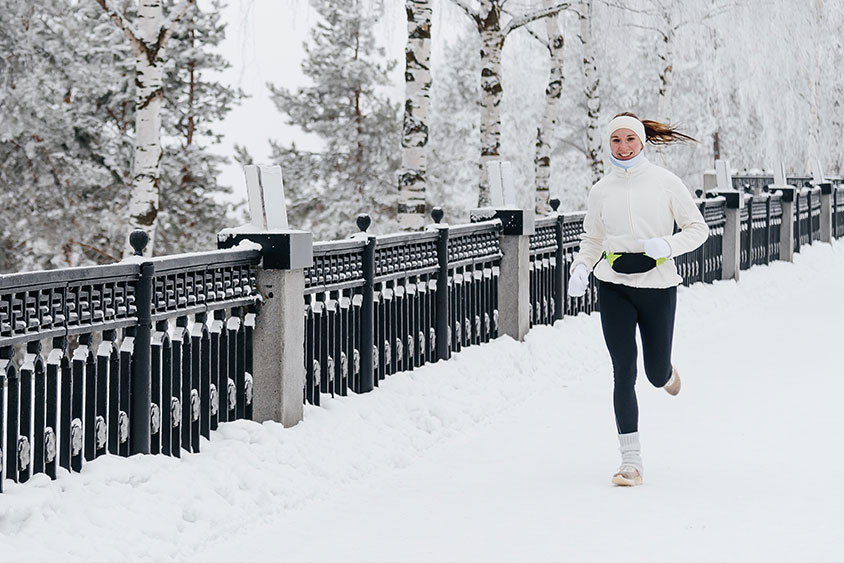
Winter has a way of scaring off runners long before the first snowflake hits the ground. The dark mornings, the cold wind, the icy sidewalks — it all sounds miserable from the comfort of your couch.
But winter running isn’t a test of misery tolerance. It’s a test of preparation. With the right layers, the cold becomes surprisingly manageable, even enjoyable. The air feels cleaner. The world is quieter. You get a strange satisfaction from being outside when everyone else is at home thinking about it.
The key is figuring out what you actually need — and what you really don’t.
Why Trust Us?
ACTIVE.com's editorial team relies on the knowledge and experience of fitness and wellness experts, including competitive athletes, coaches, physical therapists, nutritionists, and certified trainers. This helps us ensure that the products we feature are of the highest standard. Collectively, the team has spent countless hours researching equipment, gear, and recovery tools to create the most accurate, authentic content for our readers. Customer satisfaction is also a key part of our review process, which is why we only feature highly rated products.
What You Actually Need
A good winter running setup isn’t a giant shopping list. It’s a small, dependable group of pieces you can rotate all season long.
Let’s walk through the essentials.
-
Base Layers — Your Winter Running Foundation - A base layer is the one item that changes everything — because it sits directly against your skin and handles moisture. Sweat is the enemy of warmth. Cotton gets wet, stays wet, and makes cold runs feel brutal. Technical fabrics (synthetic or merino wool) wick moisture away so your body heat stays where it belongs.
You need just one or two in rotation. Once the engine starts warming up, a good base layer makes it feel like you aren’t wearing much at all — in the best way.
Try this: Tracksmith Brighton Base Layer or Smartwool Women's Classic -
Midlayers — Warmth Without the Bulk - When temperatures dip toward freezing, a light insulating midlayer is worth its weight — but resist the urge to go thick. The goal isn’t to be warm standing still in the driveway. The goal is to be comfortable once you’re moving.
Fleece pullovers, lightweight grid fleece, or thin synthetic layers trap just enough warmth and breathe well enough that you don’t feel like you’re wearing body armor when you heat up mid-run.
You’ll likely use the same midlayer through most of winter — it’s the unsung plug-and-play piece in most runners’ kits.
Try this: Salomon Essential Lightwarm (women) or Brooks Run Visible Thermal Hoodie -
Outer Shell — Block Wind, Not Sweat - Wind is the troublemaker in winter running, not cold alone. A breathable wind shell keeps freezing gusts from stealing your heat while allowing sweat to escape so you don’t feel like you’re trapped in a greenhouse.
Waterproof jackets sound practical, but unless you’re regularly running through wet snow or sleet, they often overheat and get clammy inside. A light wind shell plus your base and midlayers covers most conditions in the 15–40°F range.
Think lean, not bulky — something that moves with you, not against you.
Try this: Brooks Canopy Jacket or Lululemon InsulEight Shell (women) -
Tights & Bottoms — Cozy and Functional - Most runners don’t need winter pants thicker than a good pair of fleece-lined tights. Legs warm quickly, so a midweight tight handles nearly the entire season. If it’s windy or single-digit cold, insulated tights or wind panels can add extra protection without feeling bulky.
Bonus points for reflective panels — winter days are short.
Try this: Janji Thermal Tights (men) or Oiselle Flyout Tights (women) -
Gloves & Headgear — Little Things Make Big Differences - Cold hands have sabotaged more winter runs than sub-zero temps. Thin gloves work when it’s chilly, but mittens often win when it’s freezing — shared heat beats isolated fingers every time. A light beanie, earband, or neck gaiter is usually enough to keep your head warm without turning you into a walking furnace.
Think breathable and simple. Every day winter hats tend to get sweaty and heavy fast.
Try this: Saucony Hurricane Gloves -
Visibility — Non-Negotiable in Winter - Even the most motivated winter runners end up in the dark — mornings, nights, or both. Visibility isn’t optional. A reflective vest or small blinking light dramatically increases how early drivers can see you.
This isn’t about fashion or gear geekery — it’s the simplest safety investment you’ll make all season.
Try this: Nathan StrobeLight LED -
Traction — Only If You Need It - You don’t need snow shoes or winter boots to run outside, but icy days do happen — especially near lakes or shaded neighborhoods. Removable traction cleats give you instant confidence in your footing without buying special shoes.
Use them when sidewalks feel questionable. Otherwise, your regular road shoes keep on trucking.
Try this: Yaktrax Run Cleats
What You Don’t Need (Save Your Money, Your Closet & Your Sanity)
This is the part most new winter runners don’t realize: You can waste a lot of time — and money — buying gear you’ll rarely use.
- Heavy insulated jackets They’re great until you start sweating, and then they turn into a soggy weight vest. Light, layered systems work better every single time.
- Fully waterproof running jackets Unless you live in constant cold rain or slush, they trap more sweat than they block.
- Double socks or thick socks One good merino sock keeps feet warm and dry — two cotton socks make them damp and blistered.
- Battery-heated gloves, socks, vests Fun for one run, annoying forever. Batteries die, bulk builds up, and overheating becomes a problem in its own right.
- Multiple winter running shoes Most runners don’t see enough deep snow or ice to justify more than traction add-ons.
-
An overflowing gear wardrobe You can get through an entire winter with:
- 2 base layers
- 1 midlayer
- 1 shell
- 1–2 tights
- gloves, hat, lights
Simple is sustainable — and sustainable wins.
A Simple Temperature Guide
A starting point you’ll personalize quickly:
- 45–35°F: Base + tights or shorts
- 35–25°F: Base + midlayer + gloves + tights
- 25–10°F: Add wind shell + thermal tights + hat
- Below 10°F: Add neck gaiter + mittens + traction if needed
If you’re warm in the first five minutes, you’re overdressed. Typically, you should dress 20 degrees warmer than it feels (If it’s 45 degrees, dress like it’s 65 degrees).
Running in winter isn’t about toughness — it’s about setting yourself up to feel good once you start moving. A few reliable pieces go a long way. Knowing what not to buy keeps the season simpler, cheaper, and less intimidating.
Get dressed, step outside, and give yourself a mile to warm up. On the bright side, you’ll get to enjoy having the road to yourself.
By clicking on the product links in this article, we may receive a commission fee at no cost to you, the reader. Sponsorships and affiliate commissions help support our research so we can help you find the best products. Read full affiliate disclosure here.