


Dehydration: Warning Signs, How to Respond, and How to Prevent It
Record highs. Stifling heat waves. The potential for a 'Super El Niño.' If the headlines are any indication, this summer will be HOT!
While warmer temps make way for lots of fun outdoor activities, they also increase the importance of proper hydration – and the risk of dehydration.
Dehydration is a quick way to put a damper on a great summer day – and in severe cases, it can pose real physical harm. Below, we'll guide you through dehydration warning signs to watch for, how to respond, and how to prevent it – so you can enjoy the sunshine without stress.
Why Trust Us?
ACTIVE.com's editorial team relies on the knowledge and experience of fitness and wellness experts, including competitive athletes, coaches, physical therapists, nutritionists, and certified trainers. This helps us ensure that the products we feature are of the highest standard. Collectively, the team has spent countless hours researching equipment, gear, and recovery tools to create the most accurate, authentic content for our readers. Customer satisfaction is also a key part of our review process, which is why we only feature highly rated products.
What Is Dehydration
As you might remember from science class, about 60% of the human body is water, which makes hydration vital to maintaining our health. Water helps regulate many of the body's functions, including delivering nutrients to cells, protecting our organs, removing waste, and maintaining a stable body temperature.
Dehydration occurs when we lose more water than we intake. For instance, if you go for a long run, you'll sweat out some of your body's water – so you'll need to replace that lost liquid to avoid becoming dehydrated. When we don't rehydrate, we don't give our bodies the water they need to maintain critical functions.
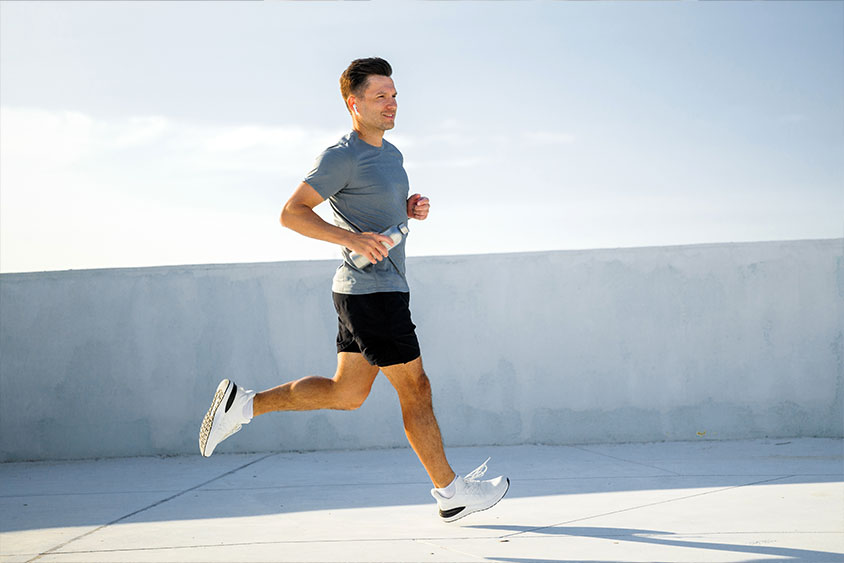
In the summertime, when you may spend more time outside and be more active, your body will sweat more, making you more susceptible to dehydration.
Dehydration can range from mild to severe; at mild levels, you may simply feel thirsty or tired – but when left unchecked, dehydration can have serious and harmful impacts on your well-being.
What to Look For
Dehydration symptoms can appear differently for everyone, so it's important to know what to look for.
Symptoms of mild dehydration may include:
- Thirst – one of the earliest signs of dehydration
- Less frequent urination and/or dark-colored urine
- Headache and/or fatigue
- Dry mouth, skin, and/or eyes
- Mild muscle cramping
Symptoms of moderate to severe dehydration could include anything from the previous list, as well as the following:
- Dizziness and/or confusion
- Sunken eyes
- Lack of sweat
- Rapid heart rate
- Low blood pressure
- Fainting or loss of consciousness
- Seizure
Heat stroke – when the body can no longer control its temperature – is the most severe heat-related illness and can feature a number of these symptoms.
How to Respond
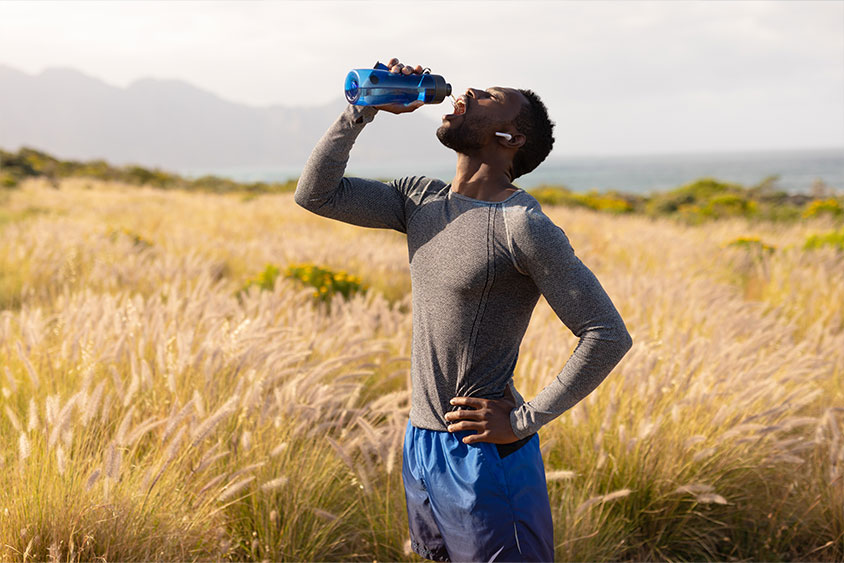
In cases of mild dehydration, focus on rehydrating the body steadily – not all at once.
- Drink water and/or a sports drink to replace electrolytes
- Take small, slow sips
- You can even try munching on ice cubes or popsicles!
- Avoid drinks that can cause further dehydration, like caffeinated/energy drinks or alcohol
- Move indoors to cool off for a bit
In cases of severe dehydration, seek medical attention immediately. While waiting for first responders, aim to cool the dehydrated individual as quickly as possible.
- Move the person to a shaded or indoor/air-conditioned area
- Have them lie down with their feet slightly elevated
- Remove any unnecessary clothing, including socks and shoes
- Apply cool water or ice packs to the skin – targeting the head/face, neck, armpits, groin, and areas where the body naturally sweats more
- Have the person drink steady sips of water
How to Prevent Dehydration
The best way to prevent dehydration is to hydrate proactively (emphasis on proactively).
- If you have plans to be active or outdoors (or both!), start hydrating early – at least 24 hours in advance. Aim to intake water gradually rather than all at once (otherwise, you'll feel more sloshy than hydrated).
- On the day of, plan to drink more water than you normally would to account for the extra physical activity and/or outdoor temperatures.
- Mix in some sports drinks, too. Sports drinks contain electrolytes like sodium and potassium, which help carry signals between cells. We naturally sweat these out during vigorous physical activity, so sports drinks can help replenish them.
While most people need about four to six cups of water per day, recommended water intake varies from person to person based on age, health, and other preexisting conditions. However, this can serve as a baseline to help you understand how much water you might need on a normal day and how much more you should drink on highly active or outdoor days. For personalized recommendations, speak to your doctor.
While you can't avoid the hot summer temps, you can avoid dehydration! Keep taking in that H20 (say it with me – proactively!), and you'll be good to go.