


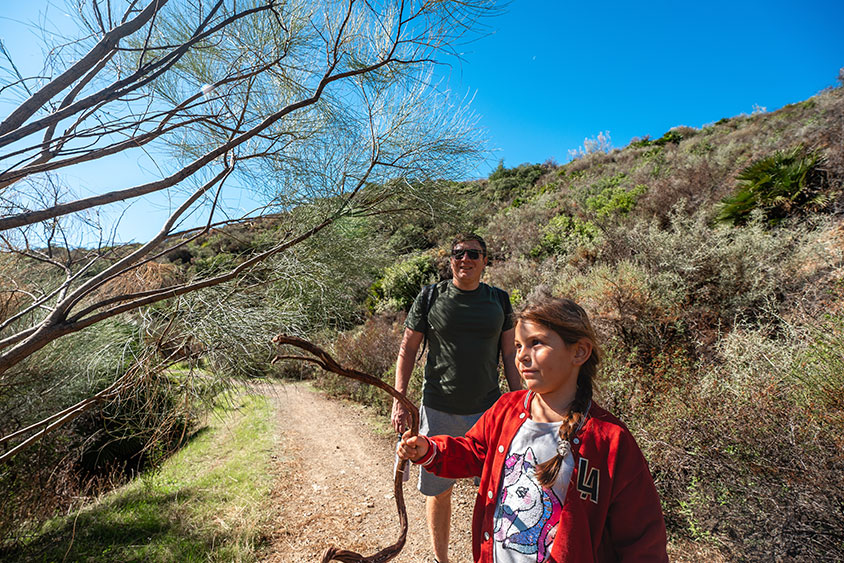
There are few activities with more potential to strengthen family bonds and create lasting memories than a hiking adventure. If you’ve never taken your kids into the woods, this might seem daunting, but the outdoor experts at the National Park Service (NPS) have got you covered!
The NPS Junior Ranger program has a wide range of topics you and your kids can explore and learn about while outdoors - whether that’s in one of the 433 national park units, or in your own backyard.
Why Trust Us?
ACTIVE.com's editorial team relies on the knowledge and experience of fitness and wellness experts, including competitive athletes, coaches, physical therapists, nutritionists, and certified trainers. This helps us ensure that the products we feature are of the highest standard. Collectively, the team has spent countless hours researching equipment, gear, and recovery tools to create the most accurate, authentic content for our readers. Customer satisfaction is also a key part of our review process, which is why we only feature highly rated products.
General Tips and Guidelines for Hiking
You don’t need to be heading to a national park to use the excellent Hike Smart guide published by the NPS. First-time and occasional hikers will benefit immensely from reading and completing each preparation step before a family outing.
Even experienced hikers can benefit from a refresher on safety tips, what to pack, and how to plan for unexpected snags like bad weather, equipment failure, or no cell service. Plus, getting your kids involved in pre-hike planning can be one of their best learning moments. They can participate by completing the Junior Ranger Explorer Booklet ahead of your outing.
Junior Rangers Special Topics
The heart of the Junior Ranger program is the Park Explorer program, which offers children and young teens the chance to explore a specific national park or unit (such as a national trail or monument) in detail. With booklets for 330 national sites across all 50 states, there's a good chance there’s one within driving distance.
If you’d rather head out on an adventure to a local park or trail, you can still use one of the Junior Ranger themed program booklets. Using these guidebooklets, your kids can learn to identify woodland sounds or constellations in the night sky, catch a fish, or explore the worlds of archaeology, paleontology, and wildland firefighting, to name a few.
While your kids can only receive a badge or other official NPS award for completing their booklet at a national park or unit, you can always create your own award if they complete a booklet at a non-NPS site.
Other Great Resources for Family Hiking Adventures
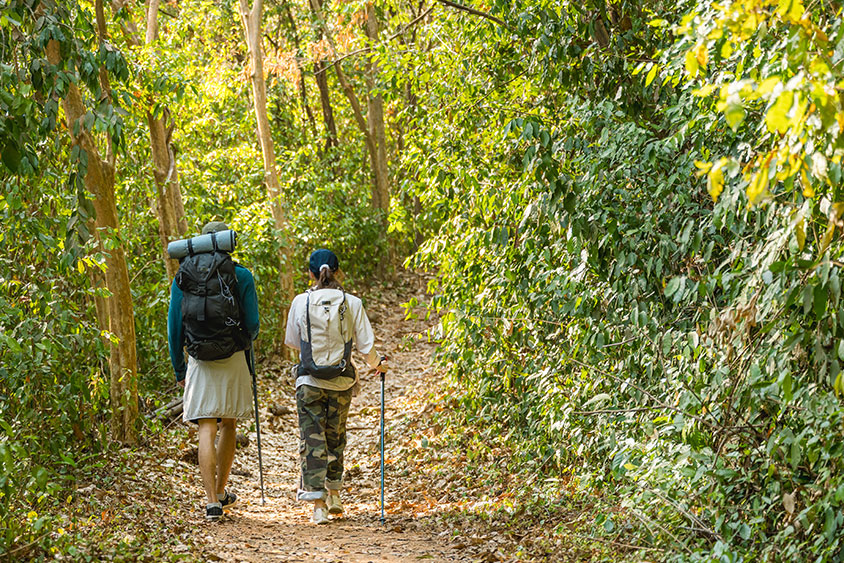
If a less structured outing is more your family’s speed, you can skip the booklets and head out for a day hike or an overnight camping trip anywhere it’s allowed. Even in many urban areas, parks with unpaved trails and stands of forest showcase the sights, sounds, and smells of nature.
A quick online search for "parks or hiking trails near me" can get you started. Once you find a few possibilities, visit their websites to learn about amenities (bathrooms, drinking water, canoe rentals, fishing docks, etc.), hiking terrain (easy to moderate is probably best for most kids), and natural features (waterfalls, overlooks, historical monuments, fossils, etc.).
If you’re an absolute hiking novice, connecting with a local hiking group is a great way to get started. Many of these groups have accounts on social media, like Facebook and Meetup. Your local Scouts and 4-H leaders can also be great resources.
If you’re lucky enough to live near a major local, state, or national hiking trail, there is likely a group of volunteers who help maintain it. These folks can tell you everything you’d ever want to know about the trail, including sections most appropriate for kids, where the best campsites are, and any special gear you’ll want to bring. Searching for the name of the trail plus “volunteer group” will point you in the right direction.
A short day hike probably won’t require a ton of gear beyond the 10 Essentials, but if you plan to cook or camp, you’ll need more. This specialized gear can cost hundreds to thousands of dollars, so if you aren’t sure this is something your family will stick with, borrowing is much better than buying. Ask friends, people on those local hiking group social media pages, or trail volunteers. You may even be able to borrow gear from your local library if they have a "library of things" section.
No matter where you go, what you pack, or what you see and do, a family hiking adventure will offer experiences and memories your kids could never get from their screens.