

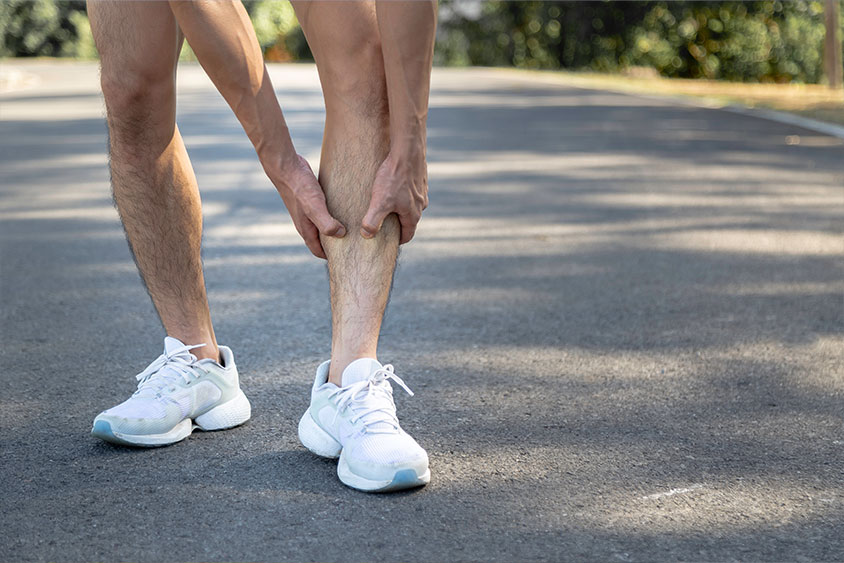
Nothing disrupts a running goal quite like a lower leg injury. One day, you are building momentum, logging miles, and feeling strong – then a sharp ache along your shins shows up during or after a run, and suddenly everything feels uncertain. Shin splints are a common overuse injury that runners experience, but they are not a life sentence or a sign that running is not for you. With the right combination of rest, strength work, and training adjustments, shin splints can be managed and often prevented so you can return to running stronger than before.
Shin splints typically develop when repetitive impact, misalignment, and training errors overload the muscles and connective tissue surrounding the shinbone. The issue is rarely isolated to the bone itself; instead, shin splints often reflect imbalances in strength, mobility, and load management throughout the kinetic chain from the feet through the hips. This can show up as tight hips, tight calf muscles, inefficient gait mechanics, or under-recruited foot muscles – an important consideration given the foot’s massive role in absorbing force. External factors such as shoe fit, shoe type, lack of cross-training, and frequent running on hard surfaces can also increase stress on the lower legs.
Why Trust Us?
ACTIVE.com's editorial team relies on the knowledge and experience of fitness and wellness experts, including competitive athletes, coaches, physical therapists, nutritionists, and certified trainers. This helps us ensure that the products we feature are of the highest standard. Collectively, the team has spent countless hours researching equipment, gear, and recovery tools to create the most accurate, authentic content for our readers. Customer satisfaction is also a key part of our review process, which is why we only feature highly rated products.
If you are already experiencing shin splints, the priority is to calm the irritation before moving on to prevention strategies.
Rest and Recovery
In cases of acute pain, rest is essential until symptoms begin to subside. Because shin splints are an inflammatory condition, continuing to run with shin splints can worsen the injury and prolong recovery. Taking a break from running while introducing pain-free cross-training helps maintain fitness without adding stress to the lower leg. Activities such as swimming, strength training, Pilates, foam rolling, and gentle massage can all support the healing process.
During this phase, the goal is not to aggressively stretch or strengthen the lower leg, but to reduce irritation while maintaining mobility and support through the hips, feet, and core. Gentle, pain-free exercises can help improve circulation, maintain strength, and address contributing factors without overloading the shin.
Recovery Exercises – should be done without pain
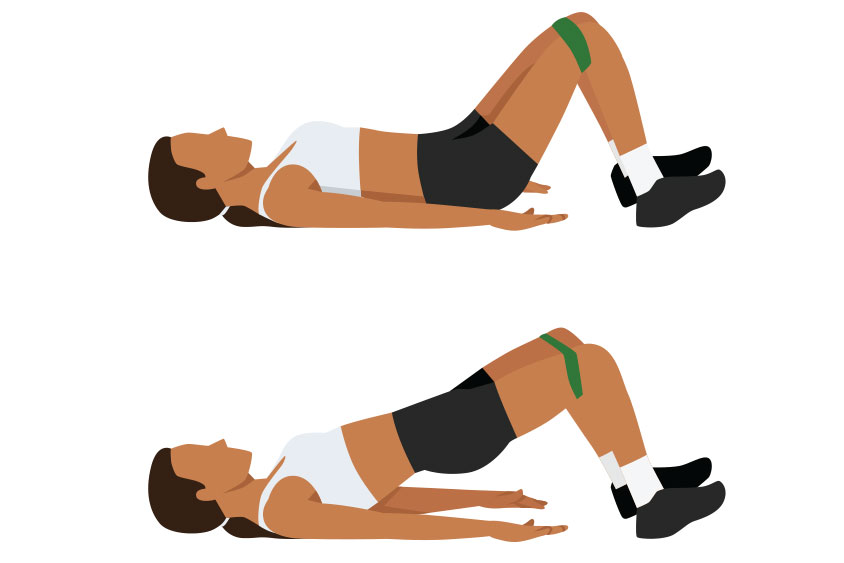
Bridges
Lie on your back with your knees bent and your feet flat under your knees. Gently tilt the pelvis back (think lower back into the floor), then lift the hips until the shoulders, ribs, hips, and knees form a straight line. Glute bridges strengthen the posterior chain and improve pelvic stability, helping reduce compensatory loading through the lower leg during running and walking.
Towel Pulls (Foot Intrinsic Strength)
Place a towel on the floor and curl your toes to pull it toward you. This helps strengthen the small intrinsic muscles of the foot, which play a significant role in arch support and shock absorption during running.
Foam rolling
Foam rolling the muscles surrounding the shin can help improve circulation and reduce excess tension that contributes to repetitive stress. Place the foam roller under the shins with hands under the shoulders for support. Avoid direct pressure on the shin bone and roll only the surrounding muscles if there is no pain. Then move the foam roller under the calves and roll up and down as well as side to side.
Nerve Glides
Lie on your back with one leg extended toward the ceiling. Gently alternate between pointing and flexing the toes (plantarflexion and dorsiflexion) for 15-20 repetitions, then switch legs. Nerve glides can help improve neural mobility of the lower leg.
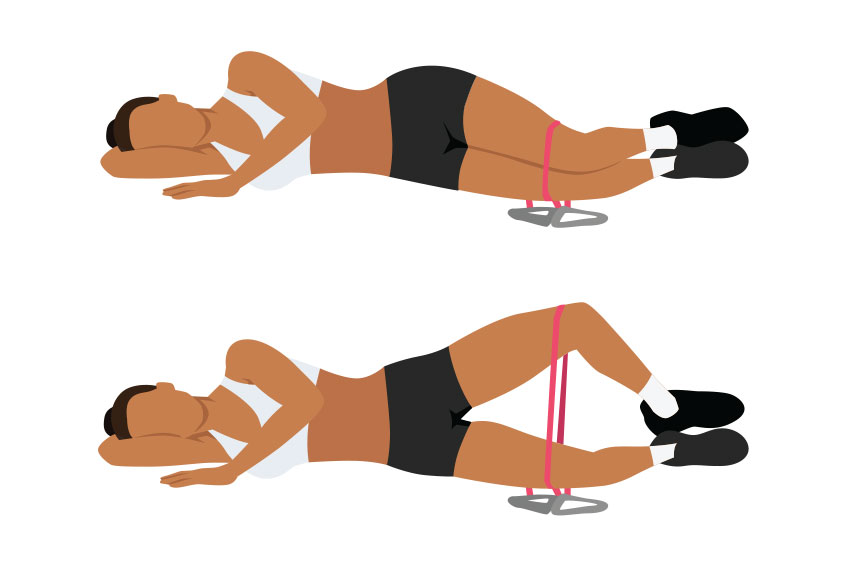
Clamshells
The clam exercise targets the deep hip stabilizers, including the gluteus medius. Improving lateral hip strength helps control upper leg rotation and reduces strain transmitted down the kinetic chain.
Prone single leg raise
Lie face down and gently tuck the pelvis (think tailbone slightly under, not lifted). Lift one leg at a time, keeping the leg straight and engaging the hamstring and glute. This supports hip extension strength, improves gait mechanics, and helps keep load off the shin.
The most effective exercise approach is individualized, pain-free, and addresses how the body works as a system rather than isolating a single muscle group. These exercises help introduce the body to different positions and planes while offloading stress from the shin.
How to Prevent Shin Splints
- Choose shoes that match your foot and training load - Running shoes influence how force is absorbed and distributed with every step. Old shoes, those that lack appropriate support, or those that are mismatched to your gait, can increase repetitive stress on the lower leg. Sudden shifts in shoe type can overload tissues that aren’t yet prepared to handle the change, such as moving to a lower-drop or minimalist shoe.
- Progress training gradually - One of the most common contributors to shin splints is a rapid increase in training volume or intensity. Increase weekly mileage conservatively and gradually introduce speed work and hills. Avoid stacking multiple stressors at once – too much, too fast is a sure way to cut training short.
- Pay attention to running alignment and form - Inefficient stride patterns can shift load into the lower leg rather than distributing it through the hips and trunk. Where force is absorbed is key to running mechanics. A good general way to improve running alignment without being assessed is to keep your foot under you, promoting a more upright posture from head to toe.
- Incorporate strength and mobility year-round - Maintain a consistent training routine that includes strength and mobility work throughout the year. Moving in different ways helps prepare the body for higher-mileage phases and reduces the risk of injury.
- Respect recovery - Rest between runs, adequate sleep, and proper nutrition will go a long way in maintaining healthier muscles and quicker tissue repair when needed.
Shin splints can be frustrating, but they are also manageable when approached with patience and perspective. Addressing pain early, supporting the entire lower-body chain, and respecting gradual progression allow the body to adapt rather than break down. With the right balance of recovery, strength, and wise training choices, you can return to running with greater strength, awareness, and resilience.