


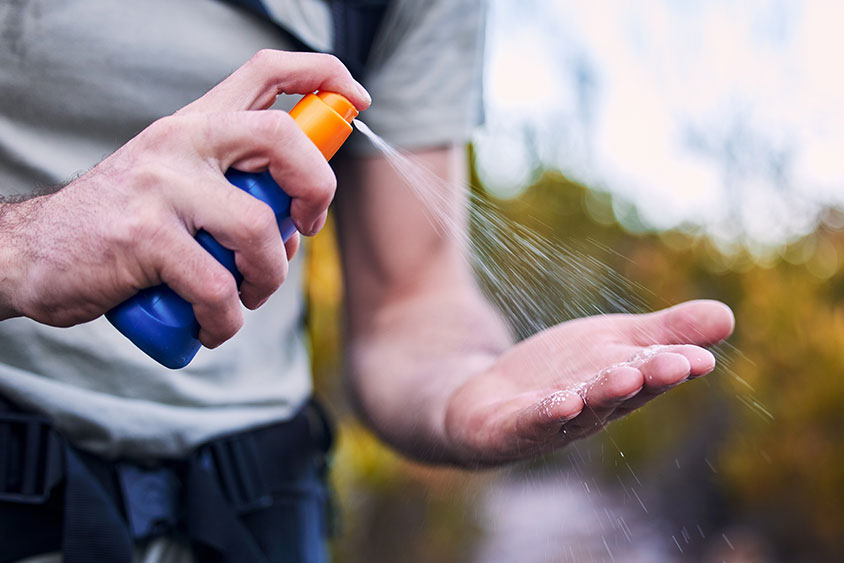
As endurance athletes begin moving from the treadmills and indoor pools to outdoor workouts, there is one thing that should be added to your training routine: skin care. Research indicates that athletes have a higher rate of sunburn than the general population due to excessive exposure to ultraviolet radiation, a lack of sunscreen use, and increased skin sensitivity from sweating. In fact, athletes training 3 or more hours a day outdoors are faced with a significantly higher risk of sun damage and skin cancer. While avoiding peak sunshine hours, reapplying sunscreen during training sessions, and wearing protective layers are keys to lessening skin damage risks, there is a way to take your skin care deeper, even internally. It makes sense that a healthy body, fueled by nutritious foods, will be better able to combat external damage and toxins. In fact, there are many foods with specific properties that strengthen the skin’s resilience and health, helping reduce the risk of sun damage from within and quite literally 'eat your sunscreen'.
Why Trust Us?
ACTIVE.com's editorial team relies on the knowledge and experience of fitness and wellness experts, including competitive athletes, coaches, physical therapists, nutritionists, and certified trainers. This helps us ensure that the products we feature are of the highest standard. Collectively, the team has spent countless hours researching equipment, gear, and recovery tools to create the most accurate, authentic content for our readers. Customer satisfaction is also a key part of our review process, which is why we only feature highly rated products.
Omega-3 fatty acids help maintain the skin’s lipid barrier, which keeps moisture in and irritants out. They also have anti-inflammatory properties that can calm redness and reduce sensitivity, making skin more resilient overall.
Get more Omega-3s by trying adding chia seeds to those overnight oats, blending anchovies into tomato sauce or salad dressings, and choosing salmon as your protein source often.
Antioxidants protect the skin from damage caused by free radicals, which are generated by UV exposure and pollution. By neutralizing these unstable molecules, antioxidants help prevent premature aging, including fine lines, wrinkles, and uneven tone. Add antioxidants to your diet with a blueberry recovery smoothie, cavolo nero sauce for your carb-loading pasta, and swapping peanut butter for sunflower butter.
Carotenoids, the pigments found in colorful red, orange, and dark green fruits and vegetables, contribute to skin protection by enhancing the skin’s natural defense against UV damage. They can also improve skin tone, giving it a healthier, more radiant appearance over time.
Work Carotene-rich foods into your diet by choosing sweet potatoes over regular potatoes, grating carrots into muffins, and topping tacos with mango slices.
Isothiocyanates are sulfur-containing compounds found in cruciferous vegetables known to support the body’s detoxification processes and have anti-cancer properties. They help the skin defend itself against environmental stressors and may reduce inflammation that can lead to breakouts or irritation.
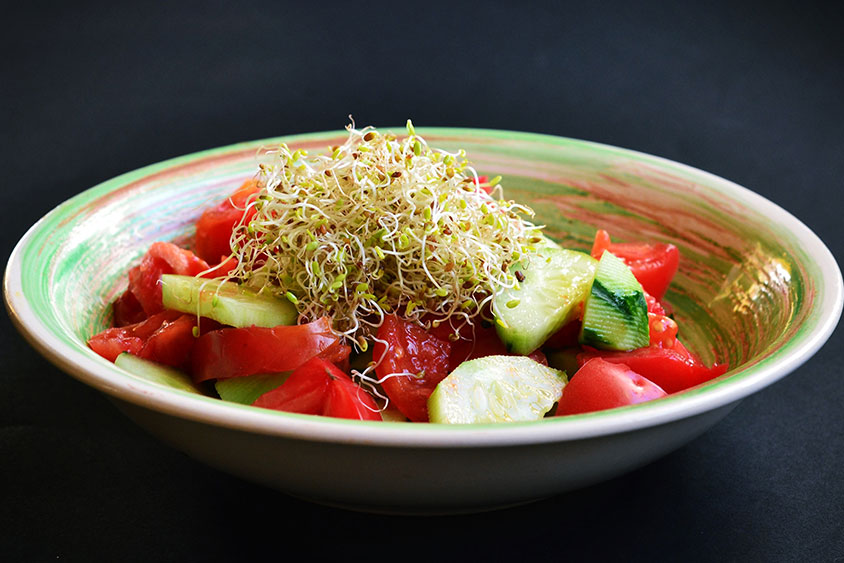
Get an isothiocyanate boost by adding sprouts to sandwiches and salads, trying that viral stuffed cabbage recipe, and learning to love that side of broccoli.
Beta-glucans are known for their soothing and healing properties and are found in foods such as oats, barley, mushrooms, nutritional yeast, and seaweed. They help boost the skin’s immune response, support wound repair, and improve hydration by forming a protective layer that locks in moisture.
Get this valuable nutrient by adding a side of seaweed salad to your takeout, having a bowl of oatmeal each morning, and using shiitake mushrooms instead of white button mushrooms in meals.
Ultimately, no single food can replace a solid sunscreen routine, but building your plate with these nutrient-rich options gives your skin an added layer of holistic defense that works from the inside out. For endurance athletes logging long hours under the sun, that extra support can make a meaningful difference—not just in performance and recovery, but in long-term health. So as you head into sunny months of training, think beyond what you put on your skin and consider what you’re putting on your plate as well. Because protecting your body from the elements isn’t just about what you apply—it’s also about how you fuel.
Pick Up Some Sunscreen for Athletes Here
By clicking on the product links in this article, we may receive a commission fee at no cost to you, the reader. Sponsorships and affiliate commissions help support our research so we can help you find the best products. Read full affiliate disclosure here.