


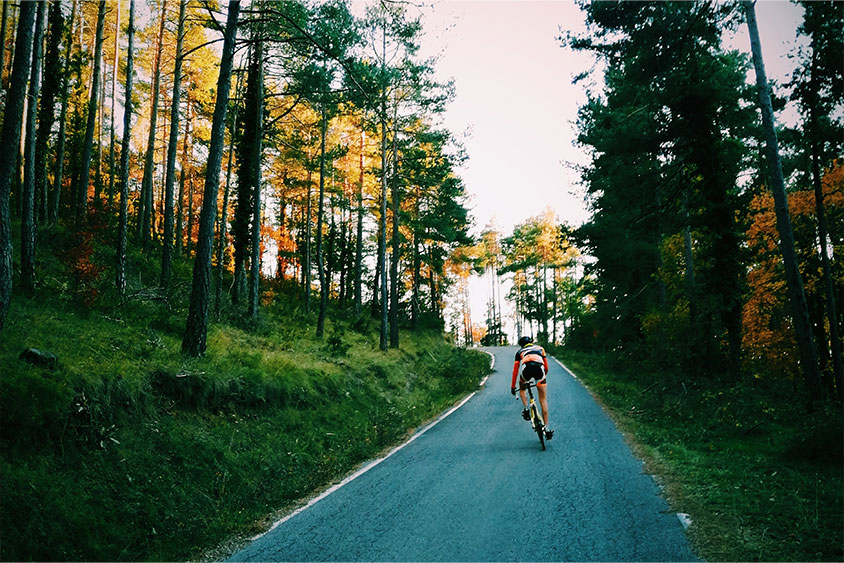
Summer 2026 has been a doozy – large swaths of the country (and the world) are currently facing record-breaking heat waves, with no end in sight.
The sport of cycling peaks in the summer, and while training or racing in the heat isn't ideal, a few simple tweaks will allow you to keep checking off your mileage goals as we push through the worst of it.
Why Trust Us?
ACTIVE.com's editorial team relies on the knowledge and experience of fitness and wellness experts, including competitive athletes, coaches, physical therapists, nutritionists, and certified trainers. This helps us ensure that the products we feature are of the highest standard. Collectively, the team has spent countless hours researching equipment, gear, and recovery tools to create the most accurate, authentic content for our readers. Customer satisfaction is also a key part of our review process, which is why we only feature highly rated products.
From optimizing when you ride to what gear you choose, here are a few ways to beat the heat while on the bike this summer.
Ride Early (Or Late)
Longer summer days give cyclists the flexibility to train at different times of the day. Early morning or late evening rides usually mean lower temperatures, less intense sun exposure, and cooler pavement. Check your weather app to find the optimal window and plan accordingly.
Choose Cooler Routes
Not all routes are created equal, especially during the summer months. Look for roads near a body of water or at higher elevations for more manageable temperatures. If that isn't an option in your area, opt for rides through hills or wooded areas for extra shade. Shorter loops close to home can also be a smart move during heat waves, since it means a quicker ride home if things get uncomfortable. For more ideas on getting started, check out these cycling tips for beginners.
Dress Appropriately
Summer-specific cycling jerseys and bibs have come a long way over the last decade or so. Most major brands offer something similar, but PEARL iZUMi's In-R-Cool fabric is a good example of a material that reflects the sun's rays and actively lowers fabric surface temperature (check out their PRO Mesh Jersey). If sunscreen isn't your thing, sun sleeves are another option to protect your skin from harmful rays while keeping you cool.
Use Sunscreen
It's always a good idea to wear sunscreen while riding year-round, but it's especially important during the summer months when the UV index climbs to three or higher. Apply a broad-spectrum SPF 30 or higher sunscreen to exposed skin about 15 to 30 minutes before riding, and reapply during long rides as directed. A burn or two may not feel like a big deal in the moment, but too much exposure over time can cause significant damage to your skin.
Eye Protection
UV exposure doesn't just affect your skin – your eyes need protection too. Most cycling sunglasses provide excellent UVA/UVB protection, but it's important to pick a lens tint that matches the time of day you'll be riding. For sunny, bright conditions, look for a darker tint, like the ROKA San Remo sunglasses in Dark Carbon. For early morning or late evening rides where the sun isn't as high, a lighter tint is a better call, such as the Tifosi Moab XC with Clarion Pink Fototec lenses, which darken and lighten depending on light exposure.
Adjust Your Exertion Levels
Hot weather naturally reduces performance. Listen to your body – heart rate data is a good tell – and be willing to slow your pace or shorten your ride as your body acclimates to warmer summer temperatures. For more on the science behind this, see our guide on how to avoid heat stress when you ride. Heat exhaustion is a real danger when cycling in the summer, and symptoms include a rapid heartbeat, heavy sweating, dizziness, nausea, and headache.
Heat exhaustion is a real danger when cycling in the summer
Click here for more information on heat exhaustion, and always consult your doctor if you have any preexisting health conditions that put you at higher risk of complications when training in the heat.
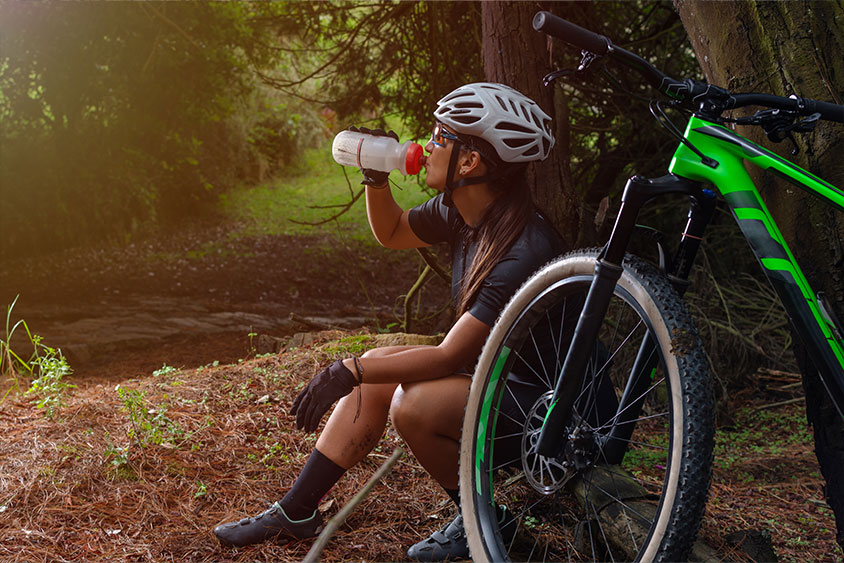
Hydrate, Hydrate, Hydrate
Start your ride well hydrated, drink regularly during your ride rather than waiting until you feel thirsty, and diligently replace fluids once you're done. If you're riding for more than about 60 to 90 minutes or sweating heavily, a sports drink or electrolyte tablets can help replace sodium and other minerals lost through sweat – our guide to staying hydrated while cycling breaks down exactly how much to drink. Two bottles may be enough for most rides, but on especially hot days, make sure your route includes refill points along the way, like a park fountain, convenience store, or coffee shop. It's also worth brushing up on a few common cycling hydration myths before you head out.
Quick Tip
Cool Your Skin
Take a cue from the pros in this year's Tour de France and spray your arms, torso, neck, and head with cool water (just make sure it's your water bottle, not your electrolyte bottle) as temperatures ramp up. Just like sweat, the water creates a cooling effect as it evaporates off your skin, which can make a real difference (though it's less effective in high-humidity areas). Cold-soaked sponges or ice-filled pantyhose in your jersey work well too, and a wet towel or bandana around your neck will also help take the edge off the heat.
Head Indoors
We know this isn't the advice you're looking for, but when temperatures get out of hand, training indoors is always the safer bet. Set up the trainer, queue up a podcast or connect to Zwift, and get your workout done in a climate-controlled environment. For more ways to stay safe when the mercury spikes, check out these summer fitness safety tips. Ultimately, the risk of heat exhaustion and sunburn often isn't worth the modest performance gains from pushing through a hot summer ride outside.
Frequently Asked Questions
What is the best time of day to cycle in the summer heat?
Early morning and late evening rides are usually your best bet, since temperatures are lower, the sun is less intense, and pavement hasn't had all day to heat up.
How do I know if I'm experiencing heat exhaustion while cycling?
Common symptoms include a rapid heartbeat, heavy sweating, dizziness, nausea, and headache. If you notice any of these signs, stop riding, cool down, hydrate, and seek medical attention if symptoms don't improve.
How much water should I drink before and during a hot summer ride?
Start your ride well hydrated, sip fluids regularly rather than waiting until you're thirsty, and add a sports drink or electrolyte tablets if you're riding longer than 60 to 90 minutes or sweating heavily.
What SPF sunscreen should cyclists use in the summer?
A broad-spectrum sunscreen with SPF 30 or higher is recommended. Apply it 15 to 30 minutes before riding, and reapply during longer rides as directed on the label.
Is it better to train indoors during extreme heat?
Yes. When temperatures get dangerously high, moving your ride indoors to a trainer or spin bike is the safer choice, since the performance gains from riding outside rarely outweigh the risk of heat exhaustion or sunburn.
