


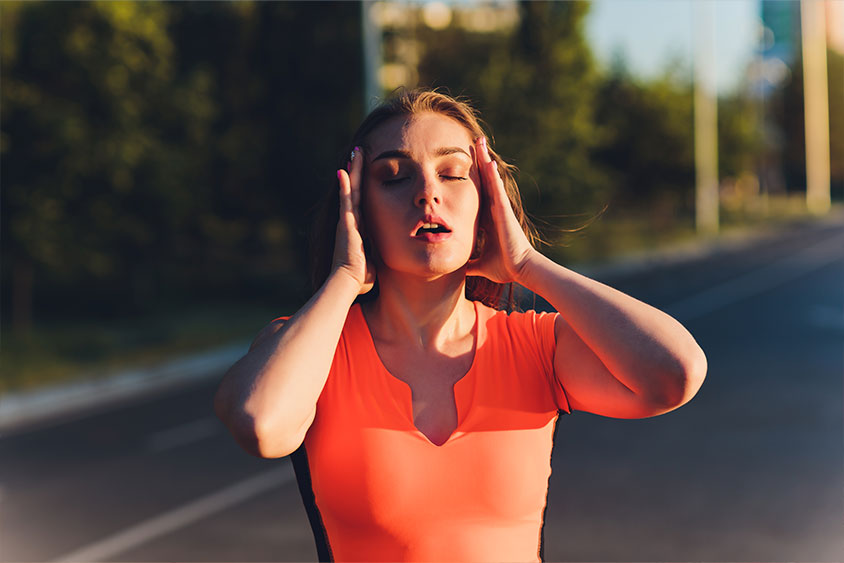
Endurance athletes have many areas to cover when it comes to improving performance: training, cross-training, gear, nutrition, and recovery. Come summer, there is another powerful physiological adaptation available that can be the difference between suffering and success: exercising in the heat.
Heat acclimation—the process of repeatedly exposing the body to hot conditions over days or weeks—triggers a cascade of adaptations that improve both thermoregulation and endurance performance. For athletes preparing for hot-weather races, the benefits are obvious. What is less widely appreciated is that heat acclimation may also improve performance in cooler environments by expanding plasma volume and reducing cardiovascular strain.
Why Trust Us?
ACTIVE.com's editorial team relies on the knowledge and experience of fitness and wellness experts, including competitive athletes, coaches, physical therapists, nutritionists, and certified trainers. This helps us ensure that the products we feature are of the highest standard. Collectively, the team has spent countless hours researching equipment, gear, and recovery tools to create the most accurate, authentic content for our readers. Customer satisfaction is also a key part of our review process, which is why we only feature highly rated products.
Understanding the science behind heat acclimation can help athletes use it strategically rather than simply suffering through hot workouts.
Why Heat Is Such a Challenge
As exercise intensity increases, core body temperature rises, and the body must dissipate that heat to maintain safe function. The primary mechanisms of heat loss include sweating and evaporation, increased blood flow to the skin, radiation, and convection to the environment. When environmental temperatures are high, these cooling systems become less effective, and the body faces a physiological dilemma: blood must simultaneously support working muscles and transport heat to the skin for cooling.
As core temperature rises, athletes experience higher heart rate, increased perceived exertion, reduced power output or pace, greater fluid losses, and earlier onset of fatigue. If the athlete is not used to these conditions, performance can decline dramatically. For a practical look at how heat affects your workouts and what to do about it, see these 10 essential tips for running and racing in the summer heat.
What Is Heat Acclimation?
Heat acclimation refers to the physiological adaptations that occur after repeated exposure to heat stress. Most adaptations begin within several days and become substantial after roughly 7–14 days of consistent heat exposure. A combination of training in controlled settings such as indoor training or environmental chambers and natural outdoor exposure can achieve these heat adaptations. For a closer look at how runners respond differently and how to structure the process, this guide on how to acclimate to the heat is worth reading alongside this article.
The Major Physiological Adaptations
Plasma Volume Expansion
One of the earliest adaptations to heat exposure is an increase in plasma volume—the liquid component of blood. Within days, plasma volume can increase by approximately 5–15%, depending on the athlete and protocol. Increased plasma volume means each heartbeat pumps more blood; the heart does not need to beat as rapidly at a given workload, and there is improved cardiac output, dehydration tolerance, and enhanced delivery of oxygen to working muscles.
Lower Heart Rate at a Given Pace
As plasma volume expands and cardiovascular efficiency improves, athletes often notice heart rate that is 5–15bpm lower at the same exercise load. For example, a run that previously required 150 beats per minute may require only 145 beats per minute after successful heat adaptation. This reduction reflects decreased cardiovascular strain and improved efficiency.
Earlier and More Effective Sweating
Heat-acclimated athletes begin sweating sooner and produce up to 30% more sweat overall. Dripping with sweat is often viewed negatively; however, it is the body’s most effective cooling mechanism. Earlier sweat onset allows athletes to limit increases in core temperature before they become problematic. Sweat also becomes more diluted over time, helping conserve sodium and other electrolytes.
Improved Skin Blood Flow
Repeated heat exposure enhances the body’s ability to direct blood toward the skin for cooling. This allows heat to be dissipated more efficiently while maintaining adequate blood flow to exercising muscles. The result is a lower core temperature during exercise and a reduced risk of overheating.
Improved Perception of Effort
Heat adaptation affects not only physiology but also perception. Athletes frequently report that workouts in warm conditions feel easier after acclimation. Research consistently shows reductions in ratings of perceived exertion during exercise following heat adaptation. In practical terms, athletes can often maintain higher workloads while feeling less discomfort.
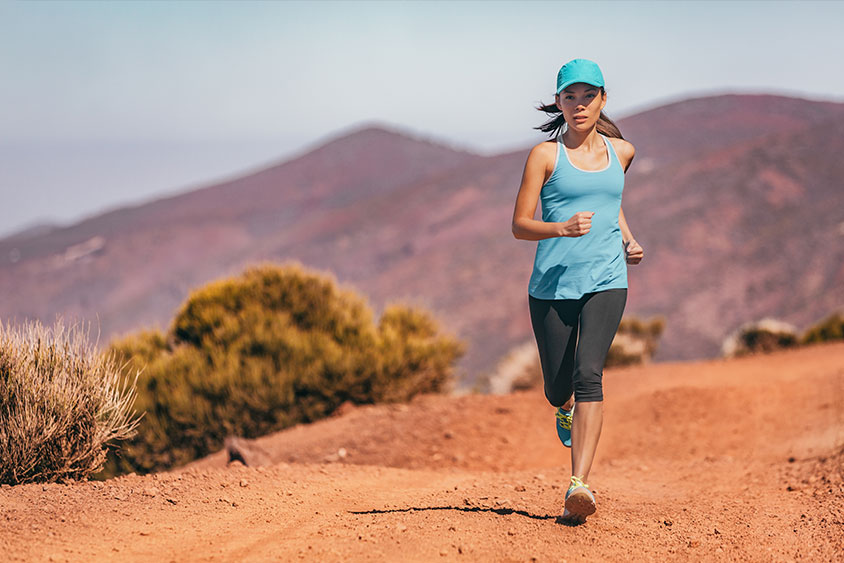
Can Heat Training Improve Performance in Cool Weather?
Interestingly, some evidence suggests the answer is yes.
The expansion of plasma volume and improvements in cardiovascular function are not exclusively beneficial in hot environments. They might lead to long-term adaptations, such as improved time-trial performance, increased VO₂max, and improved lactate threshold. However, results are mixed, and the largest benefits still occur when competing in conditions similar to those used during acclimation. Heat training should not replace sport-specific training, but it can serve as a useful supplementary stimulus.
Practical Heat Acclimation Strategies
Training in the Heat
The most straightforward approach is to perform training sessions in hot conditions. General guidelines typically include performing over an hour of moderate intensity training daily for 7–14 days. During this period, the goal is to elevate core temperature, not to set personal records. For tips on structuring those sessions safely and effectively, this guide on acclimating to heat and humidity goes into useful detail on the physiology involved.
Post-Exercise Heat Exposure
Many athletes now use sauna or hot-water immersion sessions after training to induce heat adaptations. This method can be beneficial for keeping training intensities high and temperature protocols consistent or for athletes who are training in a cooler climate but will be racing in hotter weather. Try completing normal training with 20–30 minutes of sauna or hot-water immersion post-workout several times a week. This is also a strategy recommended for athletes preparing for warm-weather races, as covered in this article on how to adjust your race goals in less-than-ideal conditions.
Risks and Considerations
Heat acclimation is a powerful performance tool, but it can come with health risks. Athletes should monitor for signs of dehydration, dizziness, nausea, excessive fatigue, or heat-related illness. Training quality can temporarily decline during the first week as the body adapts. For this reason, many coaches schedule heat training sessions alongside plenty of rest and well before key race efforts.
Key Takeaways
Heat acclimation is far more than simply “getting used to being hot.” Repeated heat exposure drives measurable physiological adaptations that improve cardiovascular efficiency, thermoregulation, and endurance performance. The goal is not to suffer through heat for its own sake. The goal is to harness a predictable biological response that makes the body more resilient, more efficient, and ultimately faster.
Frequently Asked Questions
How long does it take to heat acclimate?
Most meaningful adaptations begin within the first few days of consistent heat exposure and become substantial after roughly 7 to 14 days. Early changes such as increased plasma volume and a lower resting heart rate at a given effort can appear within the first week. More complete thermoregulatory adaptations, including earlier and more effective sweating, typically develop over the full two-week window. Maintaining some heat exposure after the initial block helps preserve those gains heading into race day.
Can I heat acclimate without training outdoors in the heat?
Yes. Post-exercise sauna or hot-water immersion is an effective alternative, particularly for athletes training in cooler climates who will race in hot conditions. Spending 20 to 30 minutes in a sauna after your normal workout, several times per week, can trigger many of the same adaptations as outdoor heat training. This approach also lets you keep training intensities high since the heat stress is added after the session rather than during it.
Will heat acclimation improve my performance in cool weather races?
Some evidence suggests it can. The expansion of plasma volume and improvements in cardiovascular efficiency that come with heat acclimation are not exclusive to hot conditions, and some athletes see benefits like improved time-trial performance and a higher lactate threshold even in cooler environments. However, results are mixed in the research and the largest gains still come when racing in conditions similar to those used during acclimation. Think of it as a useful supplementary tool rather than a replacement for sport-specific training.
What are the risks of heat acclimation training?
Heat acclimation carries real health risks if approached carelessly. Dehydration, dizziness, nausea, excessive fatigue, and heat-related illness are all possible, especially in the first week when the body is still adapting. Training quality often temporarily dips during this adjustment period. Athletes should monitor how they feel closely, hydrate well before and during heat sessions, and schedule heat training well before key races rather than in the final taper period.
How do I know if my heat acclimation is working?
Several signs indicate successful adaptation. You may notice your heart rate at a given pace is lower than it was before — a drop of 5 to 15 beats per minute is common. Workouts in the heat that previously felt very hard should begin to feel more manageable. You may also notice you start sweating sooner and more heavily, which reflects your body’s improved cooling response. If you use a GPS watch or heart rate monitor during training, comparing data from early and late in your acclimation block can make these changes easy to track.