


Quick answer: Cool autumn air is actually better performance weather than summer heat, since kids can sustain high-intensity movement longer without overheating. Trail running, full-field games like capture the flag and ultimate frisbee, and yard work turned into strength challenges all make fall one of the best seasons for high-output kids' activity, as long as you warm up properly and keep water accessible.
Why Trust Us?
ACTIVE.com's editorial team relies on the knowledge and experience of fitness and wellness experts, including competitive athletes, coaches, physical therapists, nutritionists, and certified trainers. This helps us ensure that the products we feature are of the highest standard. Collectively, the team has spent countless hours researching equipment, gear, and recovery tools to create the most accurate, authentic content for our readers. Customer satisfaction is also a key part of our review process, which is why we only feature highly rated products.
As the leaves change, we enter what we seem to be collectively calling "cozy season." Temperatures cool and the shift in weather brings a natural urge to wrap up in oversized sweaters, enjoy warm drinks, and shift life indoors. While there is plenty to love about autumn comfort, this seasonal shift often marks the beginning of a long, sedentary stretch for kids. Once summer sports end and the air turns chilly, daily physical activity can easily stall out.
Crisp autumn air is actually peak performance weather. Summer heat and humidity force kids to slow down, take frequent breaks, and battle rapid fatigue. Cool autumn air acts as a natural cooling system for the body, allowing kids to build endurance without the constant drain of summer heat.
Instead of viewing the drop in temperature as a sign to settle onto the couch, we can treat autumn as the ultimate season for dynamic, high-energy movement. By tapping into the unique elements of the fall landscape, you can make high-output play an exciting part of the season and help kids build real physical stamina.
Why Is Trail Running Great for Kids in the Fall?
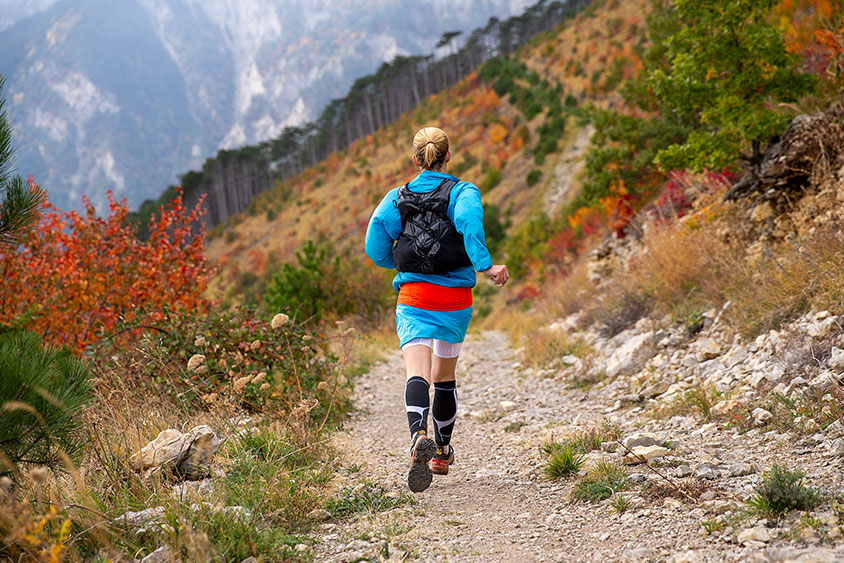
A standard walk through the woods is pleasant, but when the goal is cardiovascular fitness, changing the pace transforms the experience completely. The uneven terrain of trails, covered in roots, rocks, and loose leaves, offers a natural environment for building footwork, balance, and core stability.
Introduce intervals of light jogging, followed by quick bursts of fast footwork over leaf-covered paths, and you shift the focus from a casual stroll to a dynamic trail workout. Use the natural landscape to create quick agility drills. Bound over fallen logs. Weave through tight groves of trees. Take short, explosive sprints up steep, leaf-covered hills.
The changing surface forces the small stabilizer muscles in the feet, ankles, and knees to work harder than they do on flat asphalt. Because the cool air prevents quick overheating, kids can handle these short, high-intensity bursts of exertion longer than they could during the humid months of July and August. If you want to turn this into a regular family habit beyond just fall, this roundup of outdoor activities for fall has more seasonal ideas to rotate in.
Quick Tip
What Field Games Work Best for Fall Fitness?
Cool autumn afternoons are tailor-made for expansive, full-field games that demand continuous movement, rapid acceleration, and sudden changes of direction.
Organize games that cover a lot of ground and keep everyone moving continuously:
- Capture the Flag: A classic game that pairs long-distance sprinting with quick defensive shifts, making full use of park treelines and natural landmarks for boundaries
- Ultimate Frisbee: An ideal game for building non-stop cardiovascular output while sharpening spatial awareness, as players constantly cut and sprint to open space
- Multi-Zone Tag: A high-energy alternative where boundaries expand across an entire field or playground, forcing taggers and runners to manage their stamina over longer distances
These games naturally incorporate interval training, sprinting, slowing down to scan the field, and exploding into action again, without ever feeling like a structured workout. The constant motion generates plenty of body heat, keeping kids warm and energized even as the sun begins to dip.

How Can Yard Work Become a Strength Workout?
Building physical strength does not require indoor gym equipment or formal weight sessions. The physical chores and landscape features of autumn offer fantastic opportunities for functional, whole-body strength work disguised as outdoor play.
Yard work can easily become an interactive strength and conditioning circuit. Raking leaves into massive piles involves sustained pulling motions that engage the back, core, and shoulders. Turning that pile into a high-yield fitness challenge is simple:
- Sprint Relays: Set up a timer and challenge kids to haul armfuls or bags of leaves across the yard as fast as possible to build a central jump pile
- Heavy Carries: Use seasonal items like heavy pumpkins, firewood logs, or weighted buckets for farmer's walks, carrying challenges, or relay races across the lawn
- Yard Obstacles: Combine lunges over yard debris, broad jumps over leaf piles, and quick shuttle runs between trees to build a complete outdoor obstacle course
Carrying uneven, awkward loads builds practical core strength, balance, and grip strength. Because these activities engage major muscle groups, they spark metabolic heat, proving that high-effort strength work can happen right in the back yard.
Reframing autumn as prime athletic weather shows kids that active fun doesn't stop just because the temperature drops
How Should Kids Warm Up and Dress for Cold-Weather Play?
High-output exertion in chilly air requires a slightly different approach to preparation than summer play. When muscles are cold, jumping straight into a full-speed sprint can lead to strains, so warming up the body before dropping into high-intensity games is essential.
Start every session with five to ten minutes of dynamic movement. Light jogging, high knees, butt kicks, arm circles, and side skips increase heart rate and circulate warm blood to the muscles before heavy exertion begins.
Layering is equally critical. Kids should start out feeling slightly cool, knowing that their internal furnace will kick in within five minutes of active play. Breathable, moisture-wicking base layers allow sweat to escape, preventing them from getting drenched and catching a chill during breaks. Finally, keep water bottles accessible. People naturally feel less thirsty in cool weather, and that drop in perceived thirst is well documented, but high-intensity running in crisp air dehydrates the body just as quickly as summer heat.
Earning the Cozy
Physical activity does not have to compete with the comforting rituals of the season. Sinking into a quiet, warm evening feels infinitely more satisfying after spending the afternoon running hard in the cold air.
Reframing autumn as prime athletic weather shows kids that active fun doesn't stop just because the temperature drops. Encouraging them to work up a genuine sweat in the crisp air helps build physical resilience that lasts well past the season. If you're looking for more ways to make outdoor time a family habit year-round, not just in fall, these tips for raising an outdoors family are a good next read.
Frequently Asked Questions
Is cold weather actually better for kids' exercise than summer heat?
In terms of sustained high-intensity effort, yes. Cool air helps the body dissipate heat more efficiently than hot, humid summer conditions, which means kids can sustain bursts of sprinting, agility work, and games longer before fatigue sets in.
Do kids still need to drink water when it's cold outside?
Yes. Kids naturally feel less thirsty in cool weather, but high-intensity movement still causes real fluid loss regardless of temperature. Keep water accessible during any cold-weather activity, not just during summer heat.
How should kids warm up before high-intensity fall activities?
Start with five to ten minutes of dynamic movement, light jogging, high knees, butt kicks, arm circles, and side skips, to raise heart rate and circulate warm blood to the muscles. Cold muscles are more prone to strains if you jump straight into a full-speed sprint or game.
What household chores can double as a kids' workout in the fall?
Raking leaves is a great starting point, since it involves sustained pulling motions that engage the back, core, and shoulders. Turning the cleanup into a game, like timed sprint relays hauling leaves or heavy carries with pumpkins and firewood, adds real strength and conditioning value without feeling like a workout.
What should kids wear for outdoor activity in cool fall weather?
Dress in layers, and let kids start out feeling slightly cool rather than bundled up, since active play raises body temperature within minutes. Breathable, moisture-wicking base layers help sweat escape so kids don't get drenched and chilled during breaks in activity.