



Summer training is a grind. When the heat and humidity spike, your workouts change instantly. Your heart rate climbs faster, your legs feel heavy after just a few miles, and you end up drenched in sweat before you even finish your warmup. That drop in performance isn’t just mental fatigue. Your body is working overtime, pumping blood away from your muscles and toward your skin just to keep you from overheating.
Why Trust Us?
ACTIVE.com's editorial team relies on the knowledge and experience of fitness and wellness experts, including competitive athletes, coaches, physical therapists, nutritionists, and certified trainers. This helps us ensure that the products we feature are of the highest standard. Collectively, the team has spent countless hours researching equipment, gear, and recovery tools to create the most accurate, authentic content for our readers. Customer satisfaction is also a key part of our review process, which is why we only feature highly rated products.
Chugging water or downing sports drinks and gels is many athletes’ go-to solution, but those come with a downside. Too much plain water dilutes your sodium levels, while too many sports gels can leave you with a sloshing, sour stomach halfway through a workout. Eating seasonal produce fixes both problems. Seasonal fruits and vegetables are packed with water, natural sugars, and raw electrolytes that your gut absorbs without a fight. Getting them into your kitchen now makes hot-weather training safer and cuts down the time you spend sore on the couch. For a deeper dive into how water-rich foods stack up against plain water, see this list of best hydrating foods for athletes.
The Heavy Hitters: Maximum Hydration Produce
Water-rich food can contribute meaningfully to hydration. Because they contain water along with fiber, electrolytes and nutrients, they may release fluid more gradually than plain water alone, helping support steady hydration throughout a workout.
Watermelon
This is a go-to summer training food for good reason. Watermelon is more than 90% water, making it a refreshing way to help rehydrate after a hot midday workout. It also contains L-citrulline, an amino acid that supports nitric oxide production and healthy blood flow. Some research suggests watermelon juice or L-citrulline-enriched watermelon juice may help reduce post-exercise muscle soreness, though the effect depends on dose and context. Keep a bowl of cubed watermelon in the fridge for an easy post-workout snack when you’re too hot for a full meal.
Cucumbers
Cucumbers are about 95% water, which makes them a crisp, cooling pre-workout snack when the heat makes heavier foods unappealing. They give you crunch and volume without much fiber, so they’re less likely to sit heavily in your stomach right before you train. Important because high-fiber foods close to a run or hot workout can trigger GI discomfort for some people. Slice up a cucumber with a pinch of sea salt for a quick hit of water and sodium before you head out the door. These hydration facts for athletes explain why pairing water-rich foods with a little sodium works so well.
The Muscle Function Protectors: Potassium & Electrolyte Sources
Sweating heavily doesn’t just drain water but also costs you electrolytes, especially sodium, along with smaller amounts of potassium and magnesium. Those minerals help regulate fluid balance and the electrical signals that tell your muscles when to contract and relax. When fluid and electrolyte losses pile up, especially during hard efforts in the heat, you’re more likely to feel heavy-legged, fatigued, twitchy or crampy. To understand exactly how these minerals work in the body, check out this electrolytes 101 breakdown.
Zucchini and Summer Squash
Zucchini is a stealth weapon for summer athletes. It won’t replace the sodium you lose in a heavy sweat, but it does help with water and potassium, two things your body uses to restore fluid balance and keep muscles firing normally. Cooked zucchini is especially useful after a hot workout because it’s light, mild and easy to work into a real meal when your appetite is low. Grill it, sauté it or toss it into a post-workout stir-fry with a salty protein or grain bowl to help replace fluids, electrolytes and energy.
Peaches and Nectarines
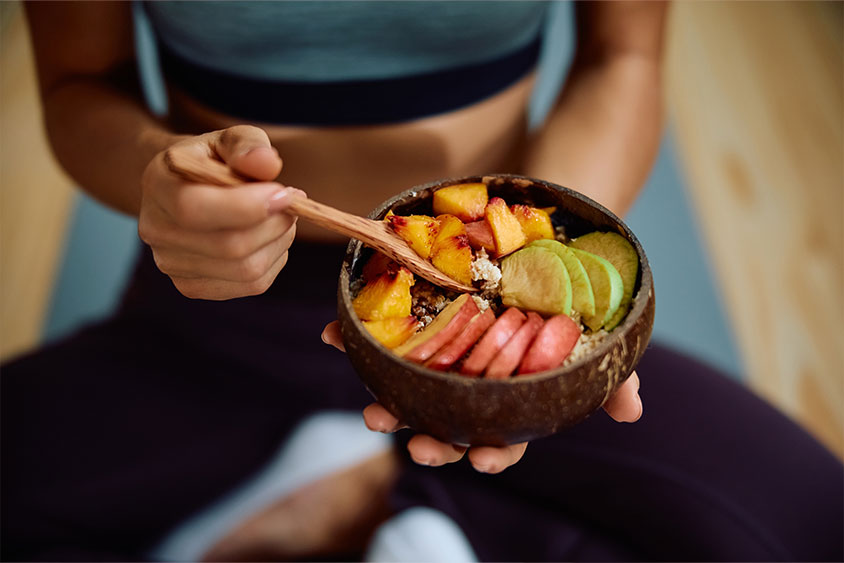
If you need something sweet before a hot workout, grab a peach or nectarine instead of a processed workout bar. These summer fruits deliver water, natural sugars and easy-to-digest carbohydrates that give your body quick fuel without weighing down your stomach. They also contribute potassium, tying back to the electrolyte support your muscles rely on in the heat. Eat one about 30 to 60 minutes before you head out for a cool, simple pre-workout snack that feels light but still gives you something to run on. For more whole-food fueling ideas, this list of energy-packed foods for endurance athletes is worth a look.
The Recovery Accelerators: Anti-Inflammatory Berries
Hot-weather workouts don’t just drain fluids and electrolytes. They also add another layer of physical stress, especially when heat, dehydration and hard effort pile up. If you wake up stiff and sore after a long run or heavy lift, your body is working through the normal repair process that follows intense training.
Strawberries and Blackberries
Summer berries are a perfect recovery aid. Strawberries bring vitamin C, while darker berries like blackberries add anthocyanins, the plant compounds that give them their deep color. Together, these nutrients help your body manage exercise-related oxidative stress and support the repair process after hard training. They won’t erase soreness overnight, but adding a handful of fresh berries to oatmeal, yogurt or a post-workout protein shake gives you a light, seasonal recovery food that helps you bounce back without weighing you down.
How to Eat Them Without Straining Your Digestion
Getting the most out of summer produce comes down to timing. Fruits and vegetables can be incredibly useful for hydration, fuel and recovery, but eating too much fiber too close to training can make a hot workout feel harder than it needs to.
In the hour or two before you train, go easy on large portions of raw, high-fiber produce—think big bowls of berries, raw squash or heavy vegetable dishes. Fiber slows digestion, and when you add heat, intensity and bouncing movement into the mix, some athletes are more likely to deal with gut issues that can make them want to stop a workout altogether.
For a quick pre-workout snack, stick with lighter, high-water options like watermelon or a peeled peach. Save the bigger, fiber-rich vegetable dishes for post-workout meals or earlier in the day, when your stomach has more time to handle them comfortably. This guide to fluid and electrolytes for runners goes into more detail on timing your intake around training.
Fueling for the Heat
Managing the physical demands of hot-weather training comes down to simple adjustments. While hydration packs and engineered fuels have their place, your weekly grocery trips can still play a major role. Choosing fresh, seasonal fruits and vegetables gives your body the precise hydration and nutrients it needs to perform in the heat. Keep your kitchen stocked with what is fresh right now, time your meals carefully, and you can keep training hard all summer long. If you do want to supplement food with a hydration mix on the hardest training days, this roundup of electrolyte supplements ACTIVE uses is a good place to start.