


Quick answer: A beginner weekly workout plan works best with three structured sessions per week, alternating simple bodyweight strength moves with light cardio, and rest days built in between. Starting small, staying consistent, and letting your plan flex around real life matter more than any single workout.
Why Trust Us?
ACTIVE.com's editorial team relies on the knowledge and experience of fitness and wellness experts, including competitive athletes, coaches, physical therapists, nutritionists, and certified trainers. This helps us ensure that the products we feature are of the highest standard. Collectively, the team has spent countless hours researching equipment, gear, and recovery tools to create the most accurate, authentic content for our readers. Customer satisfaction is also a key part of our review process, which is why we only feature highly rated products.
Starting a new fitness routine can feel overwhelming. You know you want better health, more energy, and a stronger body, but the path forward often gets buried under confusing advice and intimidating gym equipment. Experienced athletes know fitness doesn't come from one massive effort. It comes from sticking to a steady weekly plan.
If you want to move from random workouts to a real routine, you are already halfway there. A good plan keeps you from burning out and stops you from guessing what to do each day.
How Do You Build a Sustainable Workout Habit?
The first step is to build a sustainable habit. A common mistake for beginners is trying to do too much too fast. Jumping straight into a rigorous schedule usually leads to burnout or injury. Instead, start by aiming for three workout sessions per week. This gives your body time to rest and helps you build the habit of showing up.
What Are the Pillars of a Balanced Beginner Routine?
Once you have picked your workout days, focus on two main training elements: strength and cardio. This split reflects the CDC's physical activity guidelines, which recommend adults get regular aerobic activity plus muscle-strengthening work on at least two days a week.
Strength training is crucial because it protects your joints and supports a healthy metabolism. You do not need heavy weights to start. Simple bodyweight movements work great. For a beginner-friendly strength session, you can do movements that mimic everyday physical actions:
- A bodyweight squat is simply sitting back like you are trying to sit down in a chair, then standing back up, using only your own body weight for resistance
- An incline push-up is a modified push-up where you place your hands on a sturdy elevated surface, like a kitchen counter or the back of a couch, which makes it easier to press your upper body away than doing it flat on the floor
- A glute bridge is done by lying flat on your back on a comfortable rug or mat with your knees bent and feet flat on the floor, then lifting your hips toward the ceiling by squeezing your glutes
Pair those strength moves with cardiovascular work to keep your heart and lungs healthy. For beginners, cardio simply means activities like a brisk walk around the neighborhood, a comfortable bike ride, or a slow swim that raises your heart rate. You want to be active but still be able to talk easily.
Along with those workouts, you also need to make room for recovery. Rest days are not wasted days. They are when your body repairs tissue and gets stronger.
Quick Tip
What Does a Sample Weekly Workout Schedule Look Like?
To put this into practice, look at a flexible training week. This schedule balances effort with rest to ensure you can maintain your routine for the long term without burning out:
- Monday: Start your week with a full-body strength circuit to build a solid physical foundation. You can cycle through 10 bodyweight squats, 8 incline push-ups against your kitchen counter, and 10 glute bridges on the floor, repeating the circuit three times with a short rest in between
- Tuesday: Use this day for active recovery, such as a light walk or some gentle stretching, to keep your joints loose and mobile
- Wednesday: Perform a session of steady-state cardio. This means maintaining a continuous, moderate pace for 20 to 30 minutes, like a brisk walk or an easy pedal on a stationary bike
- Thursday: Take a full rest day to focus on recovery, quality sleep, and nutrition
- Friday: Return to your full-body strength routine to finish the work week on a strong note, repeating the same simple circuit of squats, counter push-ups, and bridges
- Saturday & Sunday: Keep these days open for complete rest or light, spontaneous movement like playing with your kids, gardening, or a casual weekend stroll
By treating the weekend as a time for flexibility, you avoid the trap of feeling like every single day must be dedicated to a formal workout. This protects your energy and keeps your enthusiasm high for the following week.
The goal is to complete the session you committed to, not to perform perfectly
What Do You Do When Life Disrupts Your Workout Plan?
Life happens, and your workout plan needs to bend when it does. If a busy work deadline forces you to skip Friday, do not throw away your entire week. Simply adjust. You can do a shorter session the next day or just treat the missed workout as extra recovery time. Staying flexible helps you stick with fitness for the long run.

How Do You Prepare Your Environment and Mindset for Success?
Fitness success often starts before you even begin to sweat. Setting up your physical space can remove the obstacles that make you want to skip a session. If you plan to work out at home in the morning, lay out your clothes and shoes the night before. If you belong to a gym, pack your bag and put it by the front door.
Mental preparation is just as important as physical prep. Acknowledge that your desire to exercise will fluctuate. Some days, showing up will feel effortless. On other days, it will feel like a chore. You can create a system where you rely on your planned schedule instead of waiting for the right mood to strike. When you struggle to find the energy to start, remind yourself that the goal is to complete the session you committed to, not to perform perfectly. Focus on finishing what you set out to do, even if it feels difficult in the moment. Often, starting is the hardest part, and once you're moving, you will find the momentum to complete your plan.
How Do You Track Progress as a Beginner?
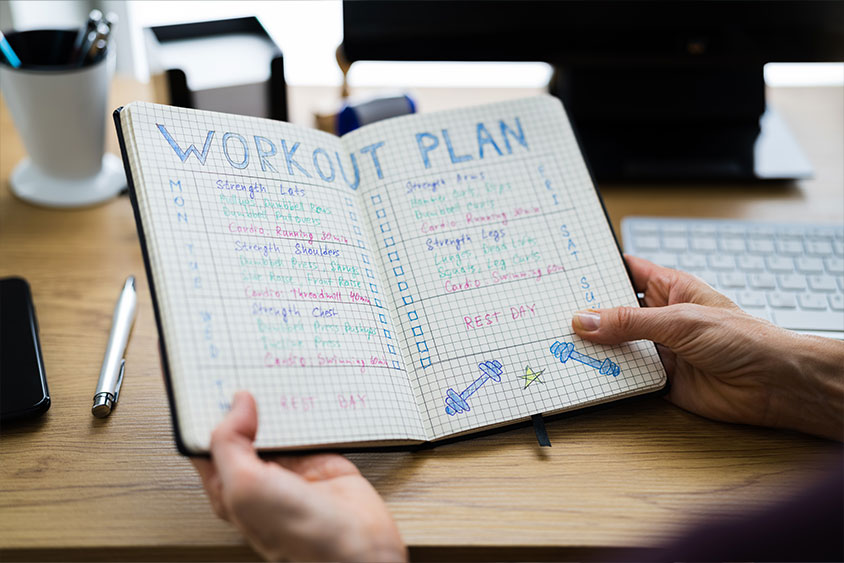
As you get stronger, you can gradually make your workouts more challenging by adding one extra squat to your set or walking your route a little faster. These small improvements add up over time, and you can track progress toward your goal by keeping a simple note of your workouts on your phone or in a notebook. Looking back at these entries will help you see how far you have come.
Remember to pay attention and note how your body feels, as this helps you stay consistent while ensuring normal post-workout soreness doesn't turn into an injury.
Your Next Steps
Ultimately, the best workout plan is the one you actually enjoy. If you hate running, do not force yourself to do it. If you don't like going to the gym, do your workouts at home. Consistency matters much more than doing any specific exercise. Trust the process, take it one day at a time, and enjoy building a healthier version of yourself.
Frequently Asked Questions
How many days a week should a beginner work out?
Three sessions per week is a solid starting point for most beginners. This gives your body enough stimulus to build the habit and see progress while leaving adequate rest days to recover and avoid burnout or injury.
Do beginners need weights to start strength training?
No. Bodyweight movements like squats, incline push-ups, and glute bridges are effective for building a strength foundation. You can add weights or resistance later as your strength and confidence grow.
What should I do if I miss a workout day?
Don't try to make up for it by cramming extra work into another day. Simply pick your plan back up where you left off, or treat the missed session as extra recovery time. Staying flexible is more sustainable than being rigid.
How do I stay motivated when I don't feel like working out?
Rely on your planned schedule rather than waiting to feel motivated. Preparing your workout clothes or gym bag the night before removes friction, and reminding yourself that the goal is simply to complete the session, not perform it perfectly, makes it easier to start.
How do I know if I'm making progress as a beginner?
Track small, concrete improvements, like an extra rep, a faster walking pace, or an easier time completing your circuit. Keeping a simple log in a notebook or on your phone makes these gains visible over time, even when day-to-day progress feels slow.