


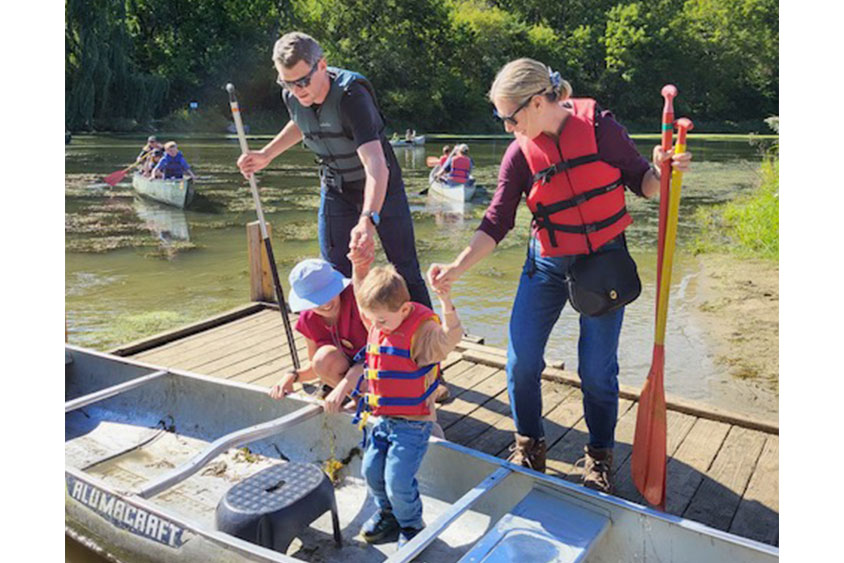
Since you’re here on ACTIVE, reading articles, we assume you care about health, nutrition, and activity. Congratulations, understanding the importance of a healthy lifestyle is step one in fostering these habits in your children and family. Key habits that influence health outcomes include regular physical activity, limiting screen time, eating fruits/veggies (5+ servings), and reducing sugar consumption, while fostering connection, parental guidance, and the ability to cope with stress and emotions. However, bringing these ideals into action, the whole family cares about and partakes in, can be a challenge. Here are some ways to get buy-in from everyone and foster healthy habits for life.
Why Trust Us?
ACTIVE.com's editorial team relies on the knowledge and experience of fitness and wellness experts, including competitive athletes, coaches, physical therapists, nutritionists, and certified trainers. This helps us ensure that the products we feature are of the highest standard. Collectively, the team has spent countless hours researching equipment, gear, and recovery tools to create the most accurate, authentic content for our readers. Customer satisfaction is also a key part of our review process, which is why we only feature highly rated products.
Be A Role Model
Before you get frustrated that your children aren’t eating their vegetables or putting down the iPad to play outside, take a hard look in the mirror. Be aware of your own habits regarding screen time, whole-food intake, physical activity, and coping with emotions. It is not realistic to expect change in others without making changes in yourself first. More importantly, are you doing these things in front of your children? Kids essentially learn habits through monkey see, monkey do, learning more from what they observe than what they are told. The more you act as a leader, showcasing healthy habits to your family, the more likely they are to consider this lifestyle the norm and follow suit.
Do It Together
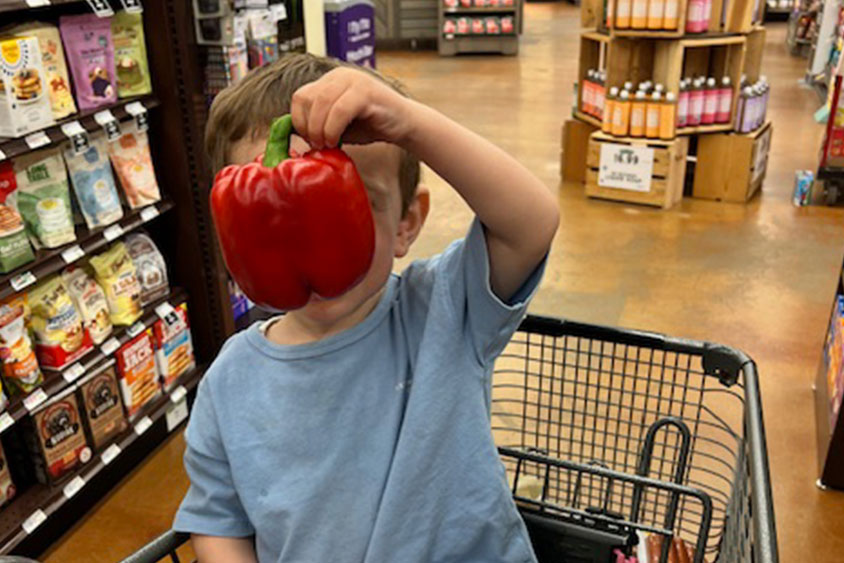
Once you have tweaked your own habits to reflect what you’d like to see in your children, begin setting standards for everyone. Studies show that going at it together is vital for positive health outcomes later in life. For example, eating meals together reduces family stress, increases the odds of consuming fruits and vegetables, lowers obesity risks, and even reduces engagement in risky behaviors. Going to the grocery store or the farmers' market is an activity the whole family can engage in. Giving children some control and autonomy can go a long way in making healthy behaviors receptive. For example, allow everyone to pick one fruit and/or vegetable to add to their lunch or dinner. Being active together as a family helps build a foundation of fun and bonding, rather than pushing performance or perfection. Games as simple as tag, hide-and-seek, or a living-room dance party are great ways to engage young children in active play while improving motor skills, self-esteem, and confidence.
Be Consistent
Consistency in healthy habits, such as serving vegetables daily, maintaining regular mealtimes together, maintaining a routine bedtime, and scheduling physical activity, helps children feel secure and makes new behaviors easier to maintain. It is also difficult for children to understand what is important when it is enforced only sporadically. For example, a predictable bedtime routine that includes winding down with a book instead of screen time can improve sleep quality and mood. Providing a vegetable in every lunch box signifies that this is a need, not a random suggestion. Over time, these routines become second nature.
Try This Or That
As children grow, offering age-appropriate choices fosters autonomy and a willingness to adopt new habits. However, too many options can lead to confusion and be overwhelming. Instead of asking “what would you like to do today,” try “should we ride bikes or go swimming?” Or instead of “what vegetable should we eat tonight,” ask “would you like broccoli or green beans?” Allowing them to choose between two healthy snack options or pick a preferred physical activity increases motivation while reducing resistance. When children feel empowered rather than controlled, they are more likely to stick with healthy behaviors and enjoy them.
Encourage Movement Through Play
Athletic adults tend to be very rigid about exercise; however, physical activity doesn’t need to be measured in miles, reps, or pace. Children are more likely to stay active when movement is fun and aligns with their interests instead of being treated like a daily chore. Dancing to K-pop Demon Hunters, playing tag, hiking to find dinosaur fossils, or simply chasing fireflies in the evening all contribute to physical health and motor development. Think of physical activity as anything that limits sedentary time and promotes movement.
Support Emotional and Mental Well-Being
Healthy lifestyle habits extend beyond eating and being active. Teaching children to recognize and express emotions builds emotional intelligence and resilience and creates a safe, supported environment. Simple practices such as talking to each other without distractions, validating emotions, and modeling healthy coping strategies—like deep breathing or repeating positive mantra—can reduce disruptive behaviors, improve digestion by strengthening the gut-brain connection and regulate the nervous system.
Through positive role modeling, consistent routines, emotional support, and patience, parents and caregivers can help children build habits that not only improve their health today but also set the stage for a healthier, happier future. Habits started early in life tend to last a lifetime.