

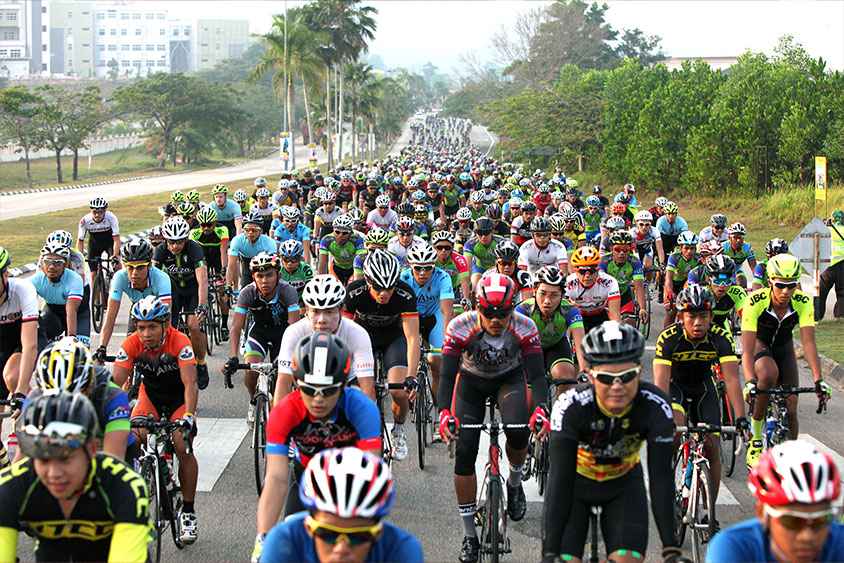
Training for and completing a century ride is no casual feat. Months of intentional training, paired with meeting sleep, nutrition, and mobility goals, should result in a successful 100-mile ride. But even the most fit cyclist won’t be successful if their gear and nutrition aren’t optimized. Here we’ve outlined not just the essentials, but anything and everything you might need to help make your century ride experience as smooth and efficient as possible.
Why Trust Us?
ACTIVE.com's editorial team relies on the knowledge and experience of fitness and wellness experts, including competitive athletes, coaches, physical therapists, nutritionists, and certified trainers. This helps us ensure that the products we feature are of the highest standard. Collectively, the team has spent countless hours researching equipment, gear, and recovery tools to create the most accurate, authentic content for our readers. Customer satisfaction is also a key part of our review process, which is why we only feature highly rated products.
Have any suggestions? Let us know in the comments section below.
The Lead-Up
While some century rides can be found close to home, most of us have to travel some distance to partake. Often, this requires spending the night before and after the event at a hotel or campground, which can disrupt routines and habits at a crucial time. There will naturally be some disruptions, but the key here is to bring the gear and things you need to make these places feel like home and familiar. Consider the following for a stress-free lead-up:
- Phone charging cable and wall adapter
- Charging cables for electronic shifter batteries, GPS devices, bike taillights, etc.
- Alarm clock and/or night light
- Streaming stick for the hotel’s TV
- Bluetooth headphones
- Recovery devices (Normatec boots, foam rollers, ice packs, massage gun, compression sleeves, etc.)
- Packable food (instant coffee, oatmeal, muffins, fruit, jerky, etc.)
- Pillows and blankets
- Toiletries (including sunscreen)
- Medications
- Floor pump
- Chain lube (and rags)
- Bike tools (tools you won’t necessarily bring on the ride itself, but will use to prepare ahead of time)
- Extra button batteries for HR straps and cadence/speed sensors
- Spare tires and tubes
- Bike rack and keys
- Random maintenance items (scissors, knife, zip-ties, safety pins, tape, etc.)
Century Day
This is where the training meets the road, literally. Every century ride has different conditions, so optimize what you pack from this list to suit the weather and route. Pro tip: When getting ready day-of, visualize and organize your gear and clothing from your head down (or from the front to the back of your bike) to help prevent any missing items.
Wearables:
- Helmet
- Sweatband
- Sunglasses (with appropriate lenses for the day)
- Contacts and solution
- Chamois cream
- Jersey
- Base layer
- Vest, jacket, or arm warmers
- Gloves (full-fingered or cut-off)
- Heart rate strap and unit
- Bibshorts
- Leg warmers
- Socks
- Cycling shoes (with cleats installed) and cleat covers
- Overshoes
Nutrition and gear:
- Saddle bag with spare tubes (or plugs for tubeless tires), tire levers, multi-tool, and inflation device (pump or CO2 cartridges and head)
- Lip balm
- Taillight
- Bottles (x2)
- Cycling computer (with route loaded)
- Frame, top-tube, or handlebar bag
- Zip-lock bag with cell phone, driver’s license, insurance card, cash, medications, and printed route sheet
- Zip-lock bag with sports drink powders/tabs, salt pills, etc.
- Plenty of gels and bars
- Identification wristband
- Any stickers/race numbers/wristbands/timing chips required by the event organizers
- Most importantly, your bike
The Cool-Down
You’ve done it, you’ve conquered 100 miles and crossed the finish line with a smile on your face. Here’s what we recommend you have on hand to recover quickly:
- Baby wipes (or jugs of water for a quick rinse)
- Towels
- Aloe vera gel (for the sun exposure)
- Glasses
- Street clothes (fresh shirt, shorts, underwear, etc.)
- Sandals or shoes
- Socks
- Jacket
- Salty snacks
- Recovery protein/drink mixes
- Bottles with cold, fresh water
- Recovery devices (listed above)
Additional Things to Keep in Mind:
- Race weekend isn’t the time to try a new saddle or mess around with nutrition. Stick to what works and things you’ve tested in the lead-up to the event.
- Any duffle bag or backpack will work, but a cycling-specific travel bag (like the Thule RoundTrip) includes compartments for your helmet, shoes, etc., helping keep gear organized and easily accessible.
- The bike shops near the event will be swamped with last-minute repairs. Do yourself a favor and take care of any tune-ups at your trusted local shop a couple of weeks before.
- Apply sunscreen before the start, and reapply at aid stations. If the organizers don’t provide, consider bringing a small tube – especially on hot, sunny days.
- It’s better to overpack (especially with clothing layers) and shed items at gear drop-offs at the aid stations than to head out and be unprepared.
- A printed route sheet is important to have on hand in case your cycling computer dies, and you have no service.
- 100 miles is a long way, so it’s critical to know where each aid station is on the route and to plan how much nutrition and water you have on board ahead of time (the same goes for bathroom stops).
- Some events include on-course SAG (support and gear) vehicles that roam the course, helping participants with flats, mechanical issues, and other needs. While a nice backup, these vehicles might not be nearby when you need them most, so it’s best to be self-supported with the right gear.