


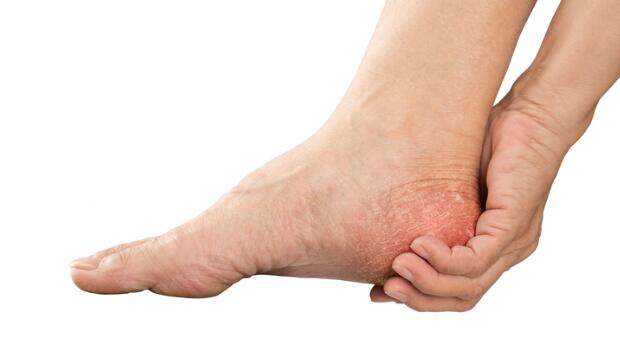
Foot numbness is a not-so-common but worrisome symptom that sometimes develops while running.
An unusual tingling or pins-and-needles feeling to the skin not only annoys but introduces fear into an otherwise blissful run. The runner's toes tingle and feel numb, and the numbness can progress along the top or bottom of the foot and occasionally into the ankle.
Although the runner need not stop, a reassuring trip to the doctor may be in order.
Foot numbness most often implies nerve compression. The specific area of foot numbness will indicate the most likely compression site. Numbness to the adjacent sides of two toes suggests a problem between the toes.
The most commonly affected site is the outside of the third toe and the inside of the fourth toe. Known as a Morton's neuroma, the nerve slowly develops a thickened coat of scar tissue.
Numbness while running develops from pounding the pavement, cramming the forefoot into a narrow shoe, or crowding the forefoot by the gradual, almost imperceptible swelling.
The runner can try simple measures to reduce the pressure. These include choosing a shoe with ample toe space and using a pad in the shoe placed under the forefoot. This can gently spread the offending bones apart. Next, a cortisone injection may help give relief.
If all conservative efforts fail, surgery relieves the pain that often accompanies the numbness. The toes, however, may remain permanently numb.
Numbness to the entire bottom of the foot or just half of the bottom of the foot occurs when a nerve is compressed at the ankle. The inside of the ankle is known as the tarsal tunnel. Coursing through this tunnel are three tendons, an artery, veins and the tibial nerve. Similar to the better-known carpal tunnel syndrome at the wrist, the nerve can become compressed, causing tarsal tunnel syndrome.
The numbness, and sometimes pain, is initially aggravated by running and weight-bearing activities. Eventually, the symptoms can progress to resting pain or numbness. A search for a "space occupying lesion" in the tunnel is prudent. This could be a small cyst, bony spur or unusual muscle anatomy.
I have seen benign fatty masses also cause compression. Very often, no specific offending mass is found. More commonly, the simple mechanical compression caused by a shoe or excessive foot motion narrows the tunnel space and irritates the nerve.
Again, nonsurgical efforts include a period of rest to reduce swelling, attempts to control the excessive motion with an in-shoe orthotic and cortisone injections into the tunnel.
Surgical release is limited to those cases recalcitrant to the mechanical treatments. Fortunately, surgery is needed much less frequently than with carpal tunnel syndrome. This syndrome can occur on one foot or it may affect both feet simultaneously.
Compression of the nerves traversing the front of the ankle or top of the foot causes numbness on top of the foot. Most often this is caused by overtightening the shoelaces. People with high arches are particularly vulnerable to this problem. Simply loosening the shoelaces, using a modified lacing technique or applying some padding under the shoe tongue may help reduce these symptoms.
Finally, foot numbness can indicate a medical condition. See your physician for persistent numbness that is not resolved by these simple maneuvers.
Dr. Stephen M. Simons is co-director of South Bend Primary Care Sports Medicine Fellowship, associate director of Saint Joseph Medical Center Family Practice Residency and clinical assistant professor of Family Medicine -- Indiana University School of Medicine.