



Credit: Creative Commons
Some of the most common-sense bits of “wisdom” associated with bikes are among the longest-lasting misnomers and falsehoods.
Here are a few of the most common and persistent cycling myths with their corresponding truths.
Why Trust Us?
ACTIVE.com's editorial team relies on the knowledge and experience of fitness and wellness experts, including competitive athletes, coaches, physical therapists, nutritionists, and certified trainers. This helps us ensure that the products we feature are of the highest standard. Collectively, the team has spent countless hours researching equipment, gear, and recovery tools to create the most accurate, authentic content for our readers. Customer satisfaction is also a key part of our review process, which is why we only feature highly rated products.
Myth: A lighter bike is faster
Credit: Courtesy Feedback Sports
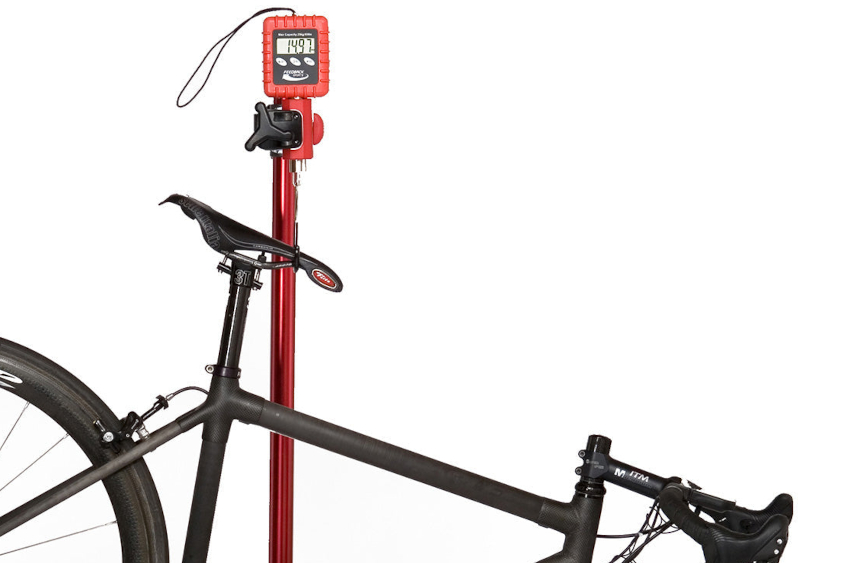
Data show that reducing aerodynamic drag has a much greater positive impact on speed than reducing bike weight does, except on the steepest climbs.
More than a decade ago, Specialized ran a novel ad campaign, “Aero is Everything.” The U.S. bike manufacturer backed up the claims with data from its recently built on-site wind tunnel. If you’re a pro cyclist climbing in the Alps, a few grams extra might make the winning difference.
Myth: More tire pressure is better
Credit: Greg Kaplan
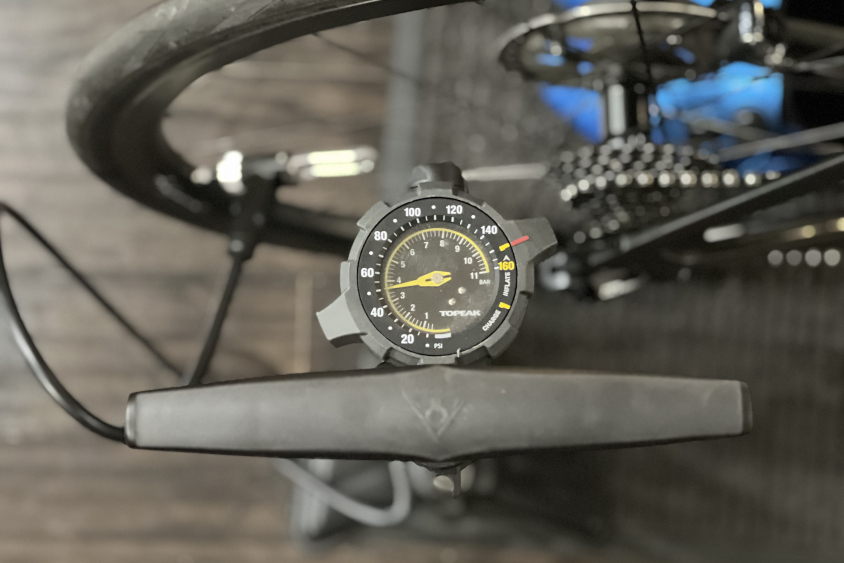
Inflating your bike tires to the maximum recommended pressure printed on the side of a tire is not a formula for going faster.
Maxing out your tires’ PSI may make you more prone to flats, and it certainly is not as comfortable as riding with tires inflated to the optimum pressure for your weight and road conditions. Check out an online tire pressure calculator to help you find the best pressure for riding comfortably, faster, and longer.
Myth: Super-skinny tires are faster
Credit: Greg Kaplan
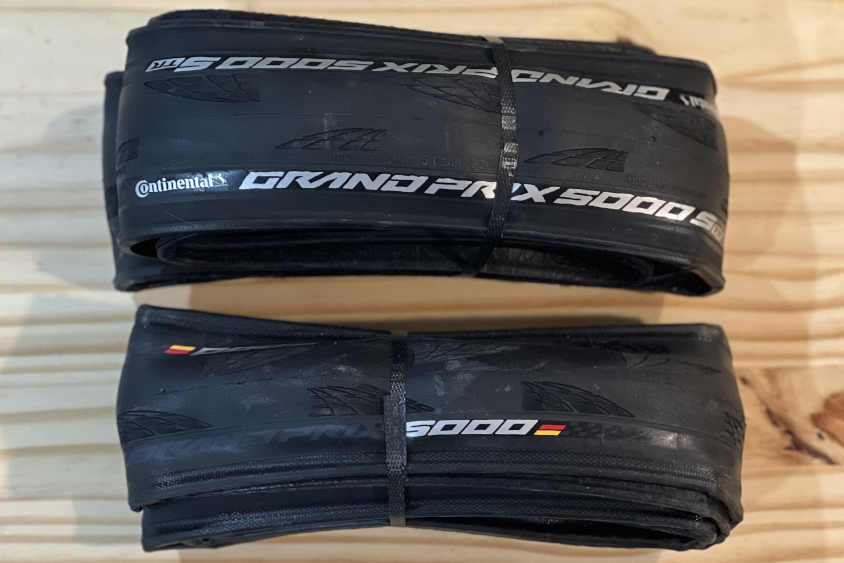
Lab and real-world testing of modern bike tires show wider tires (e.g., 30mm) have a smaller contact patch than skinnier tires (e.g., 21mm). A smaller contact patch reduces rolling resistance, so you go faster for the same effort.
Narrow tires were used on nearly all road bikes until rather recently. This was due to the available materials and rim construction methods, as well as a lack of data and understanding of how tires behave under load in real-world conditions. Current generation wider tires—which can be run at lower pressures than skinnier tires—maintain their shape when ridden on a variety of surfaces. You’ll go faster with the same effort as a narrower setup, and be more comfortable while doing so.
Myth: Riding in the rain (or snow) is bad for your bike

Credit: David Farrar/CC
Riding in the rain won’t damage your road bike—they’re designed to be used in the elements. Even outdoor-rated electronics (computers, power meters, radar, and such) are meant to be used in nearly any conditions.
Just don’t store your gear exposed to the elements when not in use, as this will prematurely age it.
Myth: If it squeaks, lube it with WD-40
Credit: Greg Kaplan
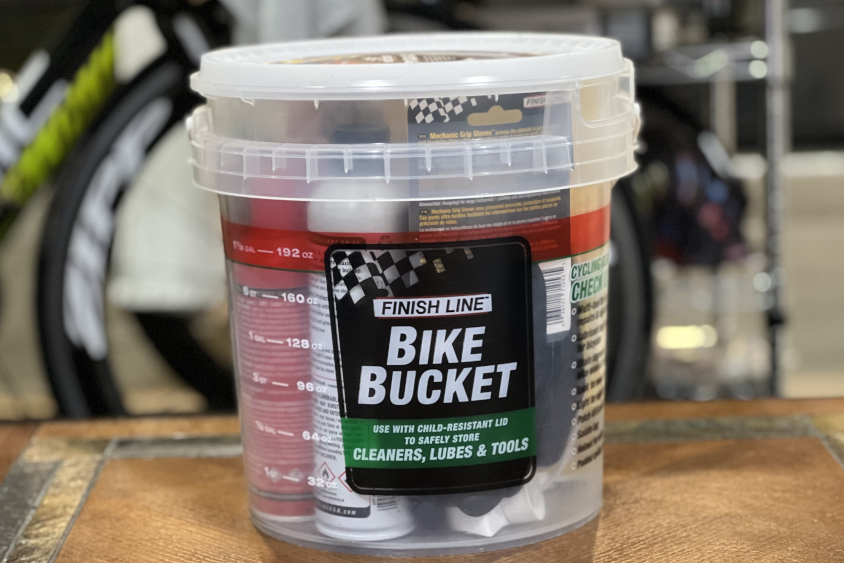
In fact, WD-40 can degrade some bike parts (like those little pulleys in your rear derailleur). The best advice is to keep it away from your bike.
If your chain and gears are crying for help, use the right lubricant. Spray-on WD-40 is a solvent (cleaner) and should not be used to silence squeaky bike components. Instead, use a drivetrain cleaner, then a bike-specific chain lube to get the longest life from wearable components before they need replacing.
Myth: Your helmet will last for years if you don’t crash in it
Credit: Greg Kaplan
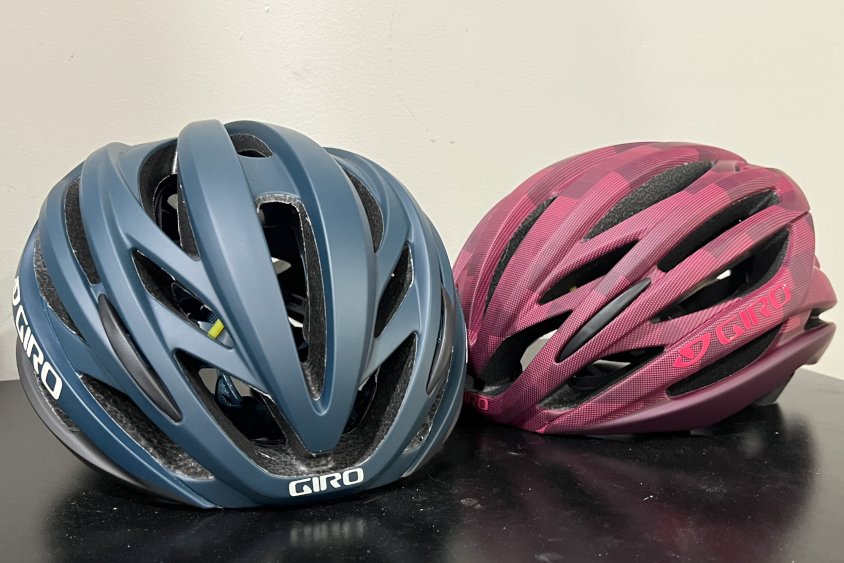
Even if you don’t crash in your bike helmet, it does have an expiry date. Road cycling helmet manufacturers like Giro, Bell, Rudy Project, and Bontrager recommend replacing your helmet every 3 to 5 years to ensure maximum protection.
Ultraviolet light can degrade the outer shell and protective foam. But the real danger is the deterioration of the glue that holds the helmet parts (shell, protective foam, chin strap) together, which happens over time. Never store your helmet in a hot car, and avoid getting spray-on sunscreen on it. These two factors have the most damaging effects on helmets and will compromise their integrity.
Myth: Pushing a harder gear will make you stronger and go faster
Credit: Courtesy Carbon Ti
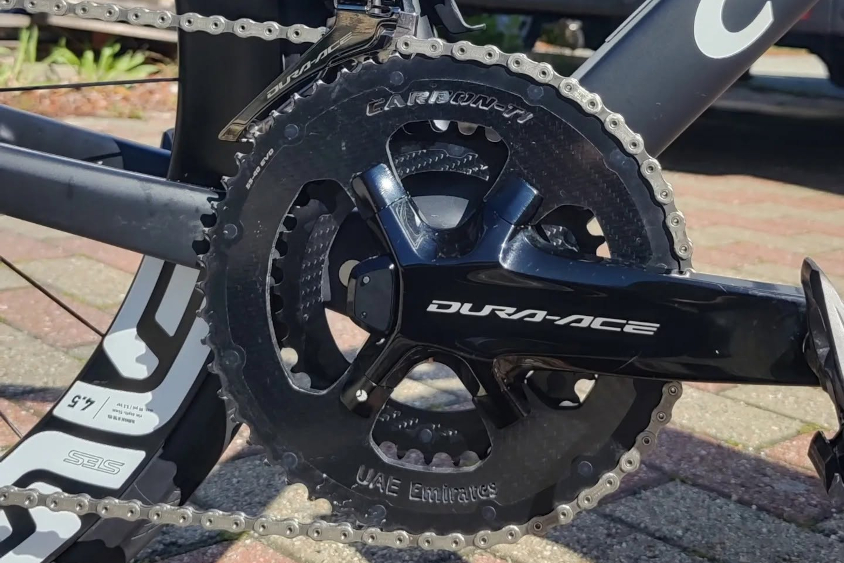
Research suggests the optimal cadence for most cyclists is about 90rpm (+/10).
Spinning at a cadence in this range can reduce muscle strain, delay the onset of fatigue, and improve endurance training. If you’re grinding away, you may rapidly increase fatigue and risk joint injury. Instead of mashing the pedals, shift into a gear that allows you to “run” on the bike and rely on your cardiovascular system to keep you going.
Myth: Every ride needs to be hard/all-out
Credit: Courtesy Garmin
If every time you get on the bike, you’re going hard, you could wind up overtraining.
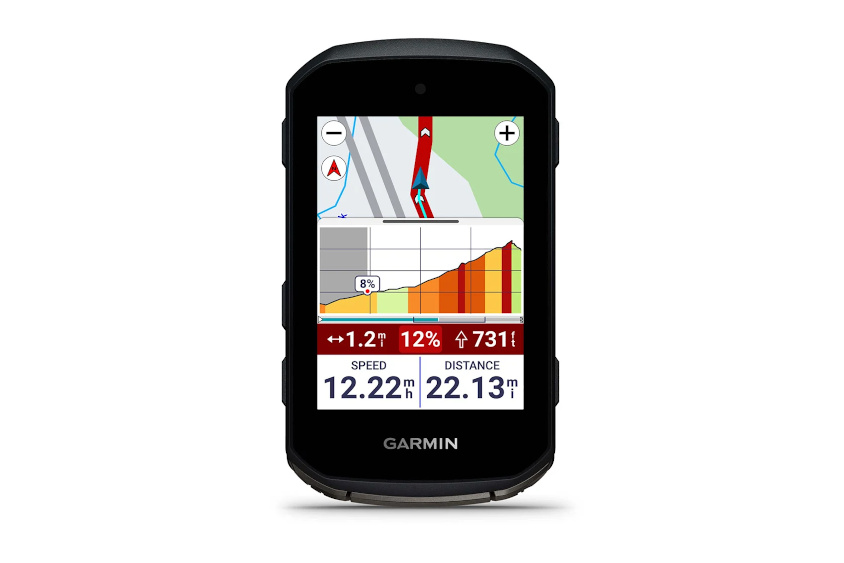
To get faster on the bike, follow a structured training plan that includes rest days. Using tools like a bike computer, a heart rate monitor, a power meter, and analysis software like Strava, you’ll have access to data and insights that can tell you or your coach when to train hard and when to back off.
Myth: You have to shave your legs (men) to go faster
Credit: Richard Masoner/CC
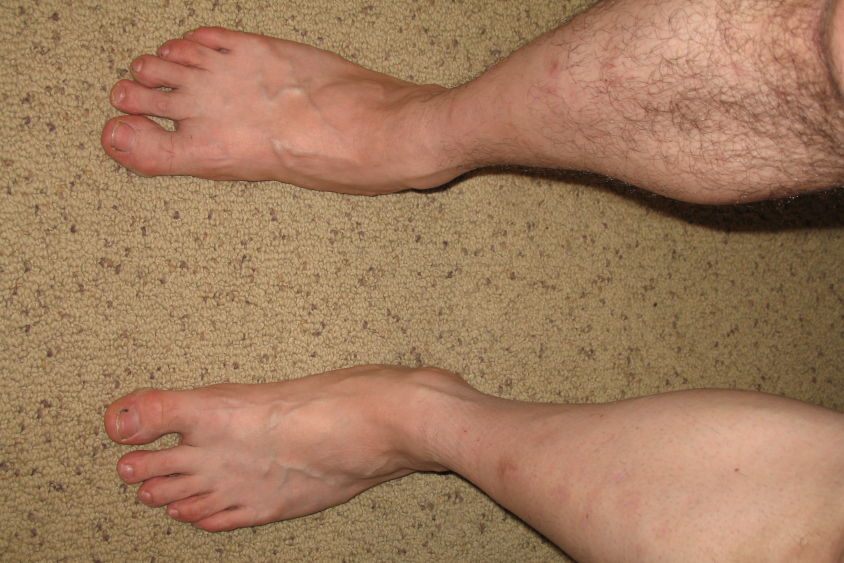
You don’t need naked legs to go fast.
In fact, reducing aerodynamic drag is not the rationale for shaving one’s legs. The driving reasons cyclists shave their legs: It makes post-event massage easier for the masseuse (“soigneurs”), and to create a smoother surface for bandaging after a crash, which is not uncommon in the pro ranks. If those reasons aren’t enough: the feeling of bed sheets on freshly shorn legs. IYKYK.
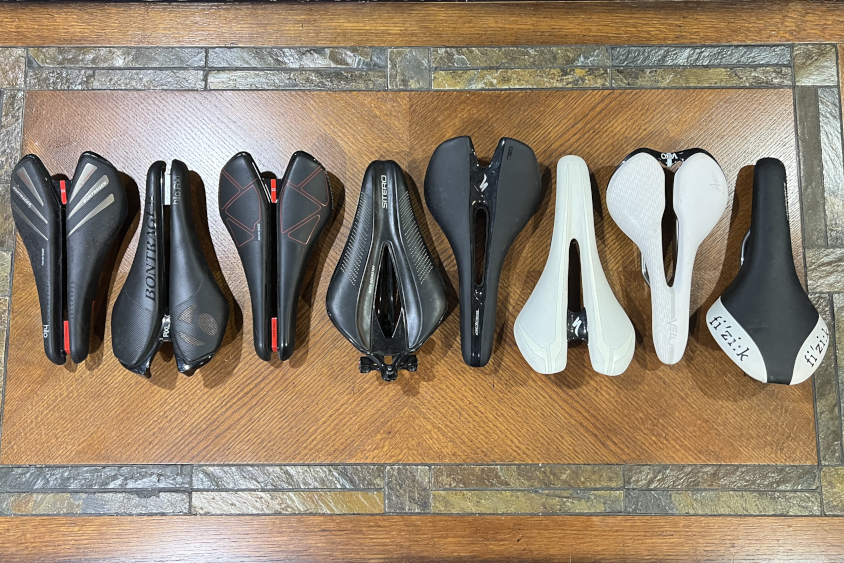
Myth: Bike saddles are always uncomfortable; get used to it
Credit: Greg Kaplan
You should never feel numbness anywhere during or after riding a bike.
Bike saddles are uncomfortable if they are wrong for your anatomy, and if you’ve not had a professional bike fit to ensure your weight is on your “sit bones” and not soft tissue. More bike saddle padding may not be the answer either, as it may inhibit blood flow to sensitive areas. And if your hands or neck are sore, tingly, or numb, this also may be due to poor positioning on a saddle that doesn’t work for you. Get fitted by a professional and ask about the correct position and saddle options so you can ride for hours without thinking about it.